Barbate: Beaches, History and Nature on the Coast of Cadiz
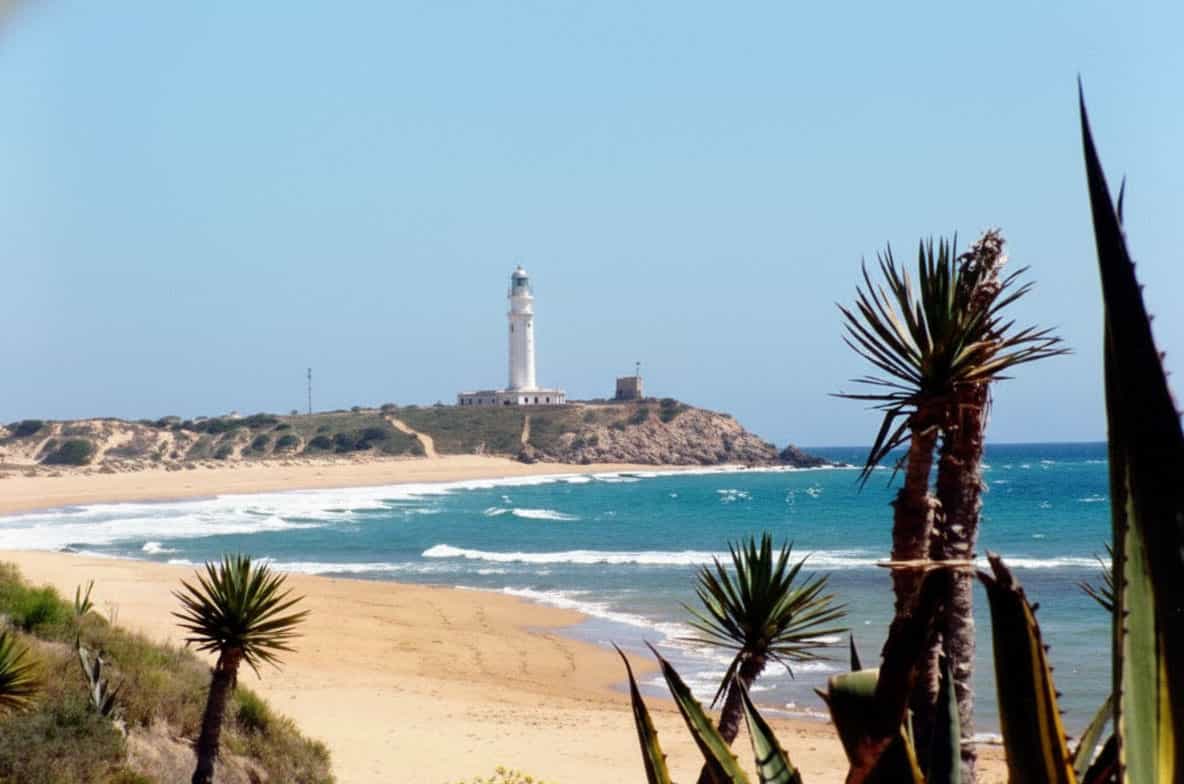
Located about 66 kilometres from the provincial capital Cadiz, Barbate lies close to Cape Trafalgar, the site of the famous naval battle of 1805. This charming municipality offers a wide range of tourist attractions, including nature parks and picturesque villages such as Zahara de los Atunes and Canos de Meca, both renowned for their appeal.
In the southwest of Spain, Barbate boasts 25 kilometres of stunning coastline that includes both developed and wild beaches, among them Zahara de los Atunes, Canos de Meca, Playa de La Mangueta and Playa de Los Canos.
History of Barbate: From the Phoenicians to Modern Tourism
Archaeological evidence points to prehistoric settlements in Barbate, but it was the arrival of the Phoenicians that established a permanent population and turned the area into a Mediterranean trading hub, particularly known for fish exports. In the 5th century BC, the Greeks recognised Barbate for its export of garum, a highly prized fish sauce used to flavour many ancient dishes.
Under Roman rule, Barbate and the ancient port of Baessipo (possibly of Celtic origin) at the river mouth prospered thanks to a thriving fishing industry originally founded by the Phoenicians. Protection by the Roman fleet greatly reduced pirate attacks, leading to significant economic growth in Barbate.
After the collapse of the Roman Empire, Barbate continued to flourish despite the arrival of Germanic tribes until the complete fall of the empire brought insecurity and frequent pirate raids, causing decline throughout much of the Arab conquest of al-Andalus. Barbate became a frontier territory exposed to attacks from Christian armies.
Following the final expulsion of the Muslims, pirate incursions intensified, prompting the construction of Santiago Castle by the river and a series of watchtowers manned by soldiers to protect the coast.
It was not until the 18th century that Barbate was resettled, thanks to a Maltese merchant who built the first fishing hut in the village. Growth continued into the early 20th century, driven by fishing activities that made Barbate Spain’s second-largest fishing port.
Since the 1960s, tourism has grown in importance, with Barbate and its surrounding villages gaining national and international recognition, owing in part to their beautiful white-sand beaches and pleasant climate.
Attractions in Barbate Not to Be Missed
Barbate is home to a variety of fascinating sights that will captivate any visitor. Here are some of the must-see places:
- Chapel of San Ambrosio: With palaeochristian origins, this chapel bears witness to the area’s long religious history. (Map)
- Monument to the Steamship Gladiator: Visible at low tide, these remains belong to the British steamship Gladiator. Registered in Glasgow, the Gladiator ran aground off Zahara in 1893 while travelling from Gibraltar to Liverpool with a cargo of sugar. The wreck is a striking piece of maritime history. (Map)
- La Chanca Shop and Museum: This well-situated shop and museum specialises in a wide range of salted fish products, particularly from tuna. Visitors can also purchase good cheeses and preserves at reasonable prices. Museum entry requires advance booking, but it is well worth a visit to explore the Tuna Museum. (Map)
- Ruins of the Roman Baths of Carlos Clavijo: These ruins reveal the remains of Roman thermal baths, offering insight into ancient lifestyles and architectural skill in the region. (Map)
Natural Environment and Beaches of Barbate
Barbate is renowned for its impressive natural surroundings and pristine beaches, making it a paradise for nature lovers and beachgoers alike. The village is surrounded by lush landscapes and offers a variety of outdoor activities suited to all interests.
One of Barbate’s highlights is the La Brena y Marismas del Barbate Nature Park, a protected area rich in flora and fauna. The park is ideal for walking, birdwatching and enjoying the tranquillity of nature. (Map)
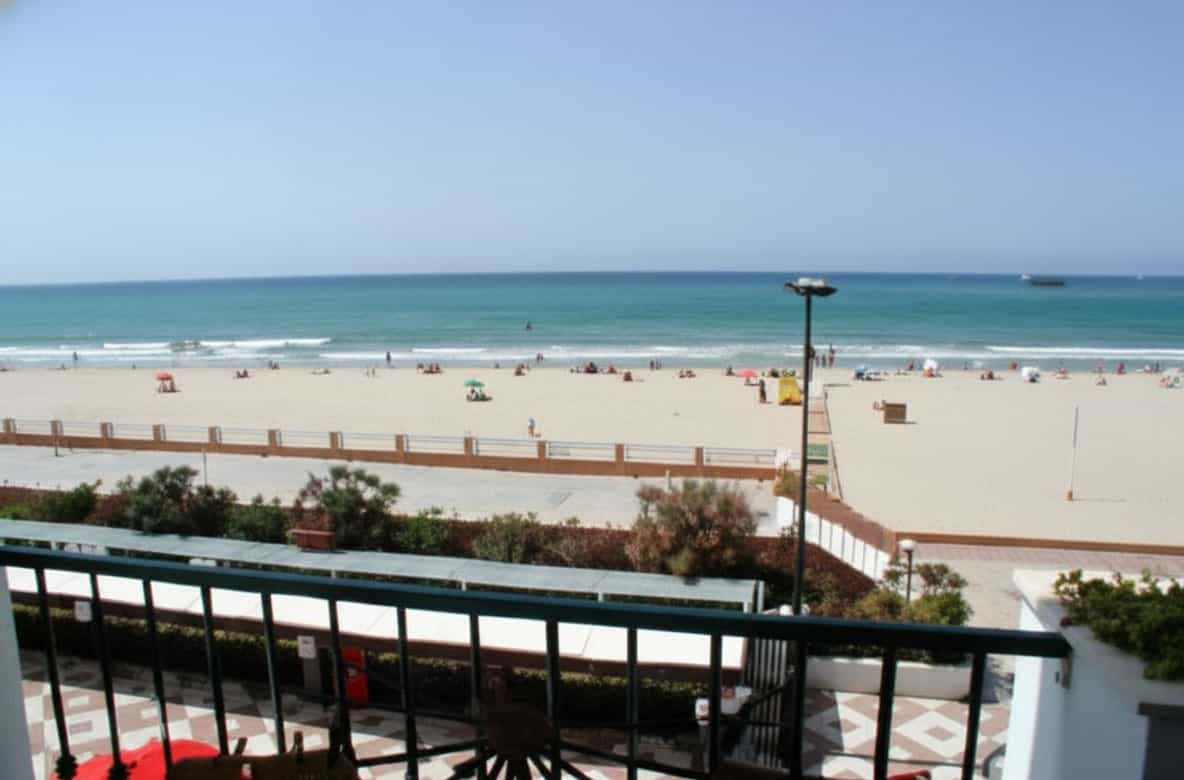
Barbate’s coastline stretches for 25 kilometres and includes some of Spain’s most beautiful and unspoilt beaches. Among the most notable are:
- Zahara de los Atunes: Known for its golden sands and crystal-clear waters, this beach is perfect for swimming, sunbathing and water sports. It is popular with both locals and tourists. (Map)
- Canos de Meca: Famous for its natural beauty, with cliffs, sandy coves and clear waters. It is also an excellent spot for surfing and windsurfing thanks to favourable wind conditions. (Map)
- Playa de la Mangueta: A more secluded beach offering a peaceful atmosphere, ideal for those wishing to escape the crowds and enjoy quiet time by the sea. (Map)
- Playa de la Hierbabuena: A beach with fine golden sand and clear waters, providing a tranquil setting for relaxation and water activities. (Map)
- Playa de Nuestra Senora del Carmen: A lovely beach combining sand and rock, creating a picturesque backdrop for a day by the sea. (Map)
- Playa del Canadillo: A quiet beach with fine sand and clear waters, perfect for a peaceful day of sun and swimming. (Map)
- Playa de Pajares: A remote beach with striking natural beauty, suited to those seeking a calm and exclusive beach experience. (Map)
In addition to these beaches, the coast of Barbate is dotted with charming beach bars and restaurants where visitors can enjoy fresh seafood and traditional Andalusian dishes while taking in breathtaking sea views.
Gastronomy in Barbate: Flavours of the Sea
One of the best things to do in Barbate is, of course, to sample its rich gastronomy. Here are some typical dishes from Barbate and Cadiz that you should not miss:
- Mojama: This prized salted tuna is often compared to the ham of the sea. Barbate is one of Andalucia’s main producers of mojama.
- Ijada
- Atun encebollado: A delicious dish of tuna with onions, highly recommended if you have not tried it before.
- Tortilla de camarones
- Seafood
Events and Festivals in Barbate
If you are looking for entertainment, Barbate hosts several traditional celebrations:
- Carnival: Held in February or March, this pagan festival takes place a week after the famous carnival in Cadiz.
- Holy Week (Semana Santa): During this Christian festival, religious images are processed through the streets of Barbate.
- Tuna Festival (Feria del Atun): A gastronomic event held since 2008 on the last weekend of May, centred entirely on tuna.
- Midsummer Night (San Juan): A pagan celebration in which people go to the beach at night, light bonfires and burn effigies to welcome summer.
- Town Festival (Feria): Celebrated around 16 July, Barbate’s town festival features numerous stalls for eating, drinking and dancing, along with fairground rides.
How to Get to Barbate: Travel Guide
Barbate, on the coast of Cadiz, has limited public transport links from Malaga Airport, as there are no direct bus or train services. The most practical options for visitors wishing to explore the municipality and surrounding area are therefore car hire or a taxi service. These provide flexibility to reach beaches such as Zahara de los Atunes or the La Brena nature park without fixed timetables.

Car Hire: Explore in Freedom
Car hire from Malaga Airport gives you independence to cover the 200 kilometres to Barbate via the A-7, passing Tarifa and Zahara de los Atunes. This route, taking around 2.5 hours, makes it easy to visit remote beaches and nearby nature parks such as Canos de Meca or Cape Trafalgar without the constraints of public transport.
Book Car Hire at Malaga Airport
Taxi Service: Direct and Comfortable Arrival
A pre-booked taxi from Malaga Airport to Barbate ensures a direct transfer of approximately 140 minutes, ideal for those who prioritise comfort on arrival. This option is particularly useful for groups or families planning to explore Barbate’s natural surroundings without immediately having to drive.
Book Your Taxi*No credit card details are required, and no advance payment is necessary. We recommend booking well in advance to secure the best prices and availability.
Other Transport Options to Barbate
There are no direct buses from Malaga Airport to Barbate, but you can take a bus to Algeciras (about 3 hours) and change there for another to Barbate (about 1 hour more). Overall, the journey by public transport can take up to 6 hours including waiting times. Within Barbate, local buses connect the centre with nearby beaches, though car hire is recommended for greater comfort when exploring.
Tourist Information for Barbate
Town Hall: Avenida del Mar, s/n, 11160 Barbate, Cadiz.
Telephone: +34 956 06 36 00.
Official website: www.barbate.es.
Frequently Asked Questions about Barbate
What are the best hotels in Barbate?
Barbate offers options such as boutique hotels near the beach or apartments in Zahara de los Atunes. Check recent reviews to find accommodation with sea views and facilities such as pools.
Are there recommended walking routes in Barbate?
Yes, La Brena nature park has paths such as the one from Barbate to Canos de Meca, with views over cliffs and pine woods. Bring water and a map for routes of 5–10 km.
Is Barbate suitable for families with children?
Barbate has safe beaches with shallow water and nature parks for family outings. Avoid windy areas for activities with young children.
What day trips can be made from Barbate?
From Barbate you can visit Vejer de la Frontera or the site of the Battle of Trafalgar. Boat trips for dolphin spotting in the Strait of Gibraltar are also possible.
What is the climate like in Barbate throughout the year?
Barbate enjoys a Mediterranean climate with warm summers and mild winters. Average temperatures range from 15°C in winter to 25°C in summer, with frequent coastal breezes.
Is there nightlife in Barbate?
Nightlife in Barbate is relaxed, with beach bars and chiringuitos in Canos de Meca. In summer there are more options with live music, but do not expect large nightclubs.