Campo de Gibraltar (Cadiz): history, beaches and nature between two seas

The Campo de Gibraltar is the southernmost region of the Iberian Peninsula. Located in the province of Cadiz, it looks out over the Strait of Gibraltar and comprises the municipalities of Algeciras, Tarifa, San Roque, La Linea de la Concepcion, Los Barrios, Castellar de la Frontera and Jimena de la Frontera.

It is a land of contrasts: the major commercial port of Algeciras, Tarifa as a world capital of windsurfing and kitesurfing, whitewashed hill villages inland, the Los Alcornocales Natural Park, and the unique position right next to the Rock of Gibraltar. Many of today’s towns grew or were founded after the capture of Gibraltar in 1704, when a large part of the Spanish population settled in San Roque, Los Barrios and Algeciras.

From Malaga and the Costa del Sol the Campo de Gibraltar is only around an hour and a half away by car. The area offers an appealing mix of history, Atlantic beaches, nature and the distinctive atmosphere of a border region.

History of the Campo de Gibraltar

The area has been inhabited since prehistoric times. Archaeological sites range from the Palaeolithic to the Bronze Age, including the necropolis of Los Algarbes near Tarifa, dating back to the 3rd millennium BC. Later the Turdetani and especially the Romans left their mark, taking advantage of the strategic location between the Mediterranean and the Atlantic.

After the fall of the Roman Empire and the Visigothic period, the region flourished again with the arrival of the Arabs and the creation of al-Andalus. The Christian reconquest left a legacy of fortresses and watchtowers.

The event that most shaped the modern Campo de Gibraltar came in 1704 during the War of the Spanish Succession, when an Anglo-Dutch fleet captured Gibraltar. A large part of the Spanish population left the Rock and settled in the surrounding area. This led to the growth of places such as San Roque (which still carries the title “where Gibraltar resides”), Los Barrios and Algeciras. During the 18th century several attempts were made to retake Gibraltar, and many of the fortifications from that period remain in good condition and can still be visited.

Places to visit in the Campo de Gibraltar

Algeciras

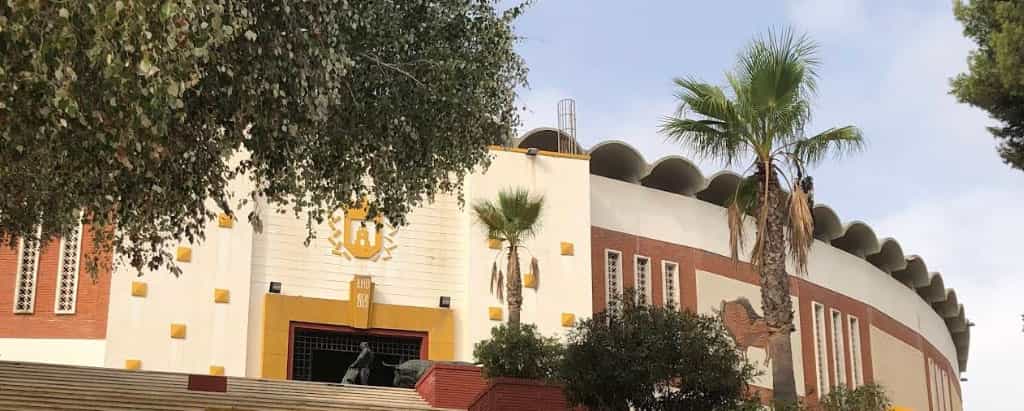
Bullring of Algeciras

The largest town and main port of the region. Worth exploring are the Plaza Alta, the Chapel of Nuestra Senora de Europa, Maria Cristina Park and the lively port area. Algeciras is also a convenient departure point for ferries to Ceuta or Tangier and offers an interesting insight into the commercial life of the area.


View on the map

Tarifa

Tarifa and the Strait of Gibraltar

The southernmost point of mainland Europe. Famous for its long sandy beaches and as one of the best windsurfing and kitesurfing destinations in the world. The old town, the Castle of Guzman el Bueno and the views across the Strait of Gibraltar to Africa are highlights. Tarifa is also an excellent base for whale and dolphin watching.

More information can be found on the Tarifa page.

San Roque

San Roque

A historic town that preserves the legacy of the population that left Gibraltar after 1704. The old quarter, the Alameda Alfonso XI and the typical Andalusian atmosphere make it a pleasant place to stroll. The municipal area also includes upmarket residential developments and golf courses, including the Sotogrande area.

More information can be found on the San Roque page.

La Linea de la Concepcion

La Linea de la Concepcion

The border town with Gibraltar. It offers beaches, a lively town centre and a seafront promenade with direct views of the Rock. La Linea is the most practical point from which to cross into Gibraltar on foot or by car, combining coastal atmosphere with shopping opportunities.

View on the map

Los Barrios

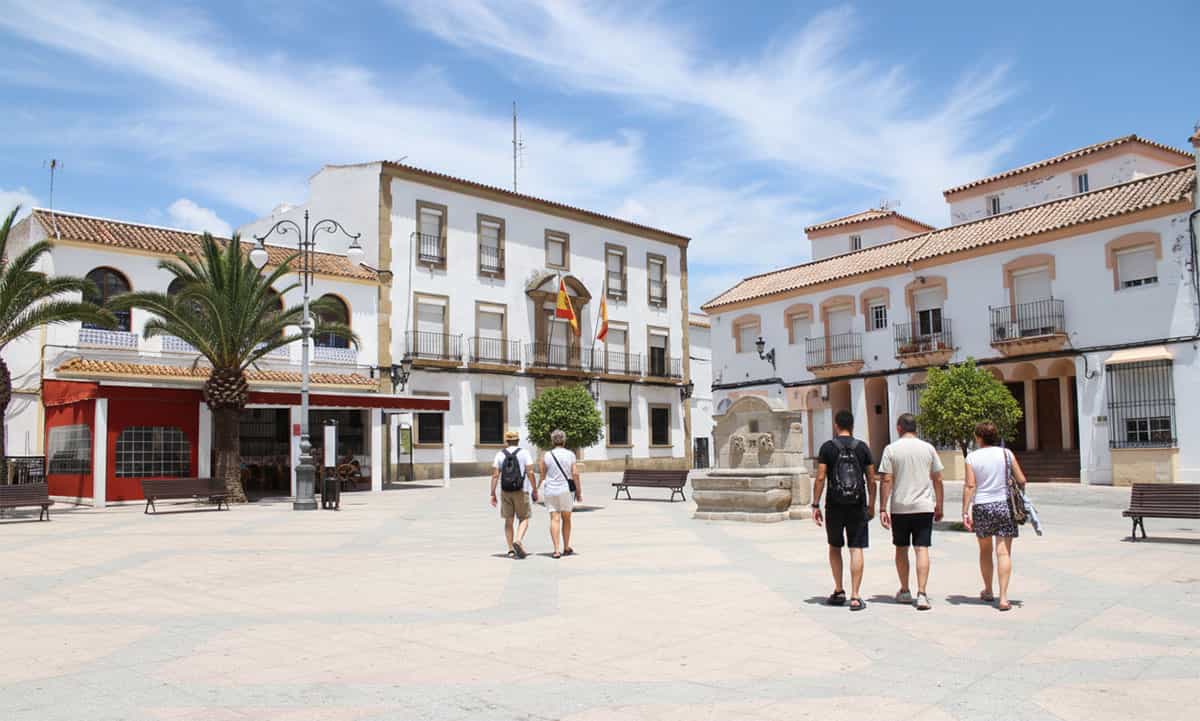
Plaza of Los Barrios

A quieter municipality inland and a good base for exploring the Los Alcornocales Natural Park – ideal for walking and birdwatching. The town itself retains a local atmosphere and is a pleasant option if you are looking for nature close to the coast.

More information can be found on the Los Barrios page.

View on the map

Castellar de la Frontera and Jimena de la Frontera

Two of the most attractive places in the region. Castellar stands out for its medieval castle and walled old town, with spectacular views. Jimena is a classic white hill village with castle ruins, set in the beautiful surroundings of the Los Alcornocales Natural Park. Both are excellent for a trip into the interior.

Castellar on the map · Jimena on the map

Nature and activities

The Campo de Gibraltar offers far more than just beach and town:

  • Los Alcornocales Natural Park: One of the largest cork-oak forests in Spain. Ideal for walking, cycling and birdwatching.
  • Wind and water sports in Tarifa: Windsurfing, kitesurfing and wingfoiling in some of the best conditions in Europe.
  • Whale and dolphin watching in the Strait of Gibraltar.
  • Beaches: From the Atlantic beaches of Tarifa to those of La Linea and the surroundings of Algeciras.

How to get to the Campo de Gibraltar from Malaga

The Campo de Gibraltar is well connected to the Costa del Sol. The distance from Malaga-Costa del Sol Airport to Algeciras is approximately 135–140 kilometres via the A-7 (Mediterranean Motorway). The journey by car usually takes between 1 hour 30 minutes and 1 hour 50 minutes, depending on traffic.

Car hire

Car hire: the most flexible option

With a hire car you can move freely between Algeciras, Tarifa, San Roque, Los Barrios and the hill villages, combining coast, nature and a possible visit to Gibraltar as you wish.

Hire a car at Malaga Airport
Private transfer

Taxi or private transfer

If you prefer not to drive, you can book a private transfer from Malaga Airport or from your accommodation on the Costa del Sol to any point in the Campo de Gibraltar.

Book a transfer from Malaga Airport

*There is no need to enter credit card details or make an advance payment. We recommend booking in good time.

Other transport options

There are bus services and a train line from Algeciras to Bobadilla with stops at Los Barrios and San Roque. From Bobadilla there are connections to Malaga and Seville. For flexible exploration of the region, however, a hire car remains the most practical solution.

Practical tips

  • Combine coast and inland: A day in Tarifa or La Linea and another in Castellar, Jimena or the Los Alcornocales Natural Park makes for a well-rounded visit.
  • Visiting Gibraltar: The easiest crossing is from La Linea de la Concepcion. Make sure you carry valid identification documents.
  • In Tarifa the wind is part of the experience. Check conditions if you plan to do water sports or simply spend time on the beach.
  • Los Alcornocales is particularly pleasant in spring and autumn, when temperatures are milder.
  • In high season (especially July and August) it is advisable to book accommodation and transfers in advance.

Frequently asked questions about the Campo de Gibraltar

Which municipalities make up the Campo de Gibraltar?

The main ones are Algeciras, La Linea de la Concepcion, San Roque, Los Barrios, Tarifa, Castellar de la Frontera and Jimena de la Frontera. Some lists also include San Martin del Tesorillo.

How long does it take to get to the Campo de Gibraltar from Malaga Airport?

To Algeciras it is approximately 135–140 kilometres via the A-7. The journey by car usually takes between 1 hour 30 minutes and 1 hour 50 minutes, depending on traffic.

What are the highlights of the region?

Tarifa with its beaches and wind sports, the proximity to Gibraltar, the Los Alcornocales Natural Park, the hill villages of Castellar and Jimena, and the historic and port atmosphere of Algeciras and San Roque.

Can I visit Gibraltar from here?

Yes. The usual crossing point is from La Linea de la Concepcion. You can cross on foot or by car (subject to current regulations). Valid identification documents are required.

Is a hire car recommended for exploring the area?

Yes. Although there are bus and train services, a hire car is the most flexible way to combine the coast (Tarifa, La Linea, Algeciras) with the inland villages (Castellar, Jimena, Los Barrios) in a single day.

When is the best time to visit the Campo de Gibraltar?

Spring and autumn are excellent for a mix of beach, walking and villages. Summer is ideal for wind sports in Tarifa and beach holidays, although it can get very hot inland.