The Countryside Route
This route crosses the wide, fertile plains that stretch along the left bank of the Guadalquivir between Cordoba and Seville – the classic Campiña. It is a landscape of gently rolling fields where wheat, vines and olive trees have been cultivated for centuries, dominated by large estates and punctuated by historic towns that grew rich on the produce of the land.
A land of long settlement
The richness of these soils and their position on the great river corridor made the area attractive from ancient times. Many of the present-day towns have Roman origins, and later periods continued to leave their mark in both “learned” and popular architecture. The result is a series of urban centres whose streets and buildings combine monumental presence with the everyday forms of Andalusian domestic building.
Andalusian houses and urban character
In towns such as Carmona, Osuna and Ecija you will find the classic elements of the traditional Andalusian house combined in endless variations: large lime-washed façades, projecting cornices, heavy wooden doors with iron studs, windows protected by grilles, and, inside, the sequence of entrance hall, central patio and upper floors.
As the route moves towards the countryside of Cordoba – around Moriles and Aguilar de la Frontera – soft colour begins to appear on cornices, window surrounds and skirting bands. In the larger centres of Seville, Cordoba and Ecija you can still see examples of the old “corrales”, communal courtyard housing that was once a common form of urban dwelling and is now increasingly rare.
Haciendas, cortijos and olive estates
Scattered across the open countryside are the buildings that served the great agricultural estates: olive-oil haciendas, cortijos (farm complexes) and lagares (press houses). These solid, functional structures form an essential part of the visual identity of rural Andalusia.
The route also passes two of the planned settlements founded in the 18th century under the Bourbon monarchy – La Carlota and La Luisiana – created as part of a wider programme of agricultural colonisation.
Olive oil, wine and the Mediterranean trilogy
Agriculture has shaped this landscape for millennia. The provinces of Seville, Cordoba and Jaen together produce a large share of Spain’s olive oil. Vines are also important, especially around Montilla-Moriles in Cordoba province, while the traditional Mediterranean combination of wheat, vine and olive remains visible in the patchwork of fields.
Suggested itinerary
A logical way to explore this countryside is to follow the historic towns that punctuate the plains between Seville and Cordoba:
- Seville – begin in the provincial capital and head east into the Campiña.
- Carmona – a historic hilltop town with strong Roman and later remains and fine examples of traditional architecture.
- Ecija – known for its baroque churches and towers, and a classic centre of the fertile plain.
- Osuna – another of the great agricultural towns, with monumental buildings and a well-preserved historic core.
- Towards Cordoba – continue through the countryside via places such as La Carlota, Aguilar de la Frontera or Moriles before reaching Cordoba itself.
This itinerary stays true to the open, cultivated landscape that defines the route and allows time to appreciate both the towns and the farming estates that surround them.
Exploring the Countryside Route from Malaga
The towns of the Campiña between Seville and Cordoba are best visited by car. The distances are comfortable and the open landscape makes driving a pleasure.

Car hire: the most flexible option
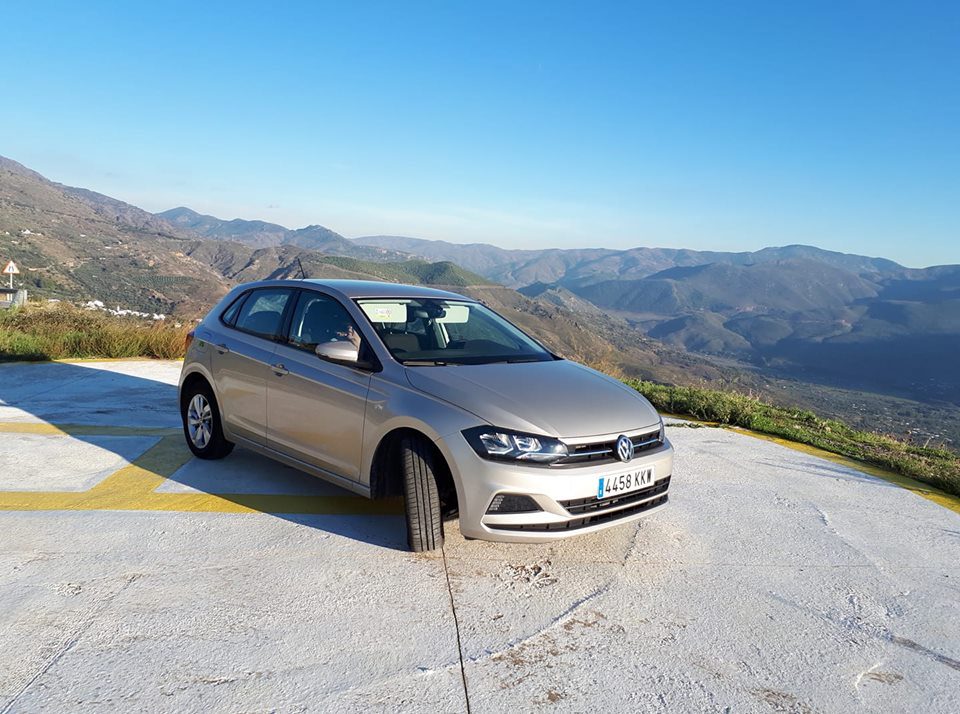
Hiring a car at Malaga Airport gives you the freedom to move easily between Carmona, Ecija, Osuna and Cordoba while enjoying the open countryside of the Guadalquivir plains.
Hire a car at Malaga Airport
Taxi or private transfer
If you prefer not to drive, a private transfer can take you to Seville or Cordoba as a base for exploring the historic towns of the Campiña.
Book a transfer from Malaga Airport*There is no need to enter credit card details or make an advance payment. We recommend booking in good time.
Frequently asked questions
What is the Campiña?
The Campiña is the name given to the fertile, gently rolling plains that lie along the Guadalquivir between the uplands and the river, especially in the provinces of Seville and Cordoba. It is classic cereal, olive and vine country.
Which towns are the highlights of this route?
Carmona, Ecija and Osuna are the most rewarding historic towns on the plains between Seville and Cordoba, each offering a strong sense of the agricultural wealth and architectural character of the region.
Is this route the same as the White Villages route?
No. The White Villages (Pueblos Blancos) lie mainly in the more mountainous areas of Cadiz and Malaga provinces. This Countryside Route focuses on the open, cultivated plains of the Guadalquivir between Seville and Cordoba.
Do I need a car?
A car is the most practical way to enjoy the route, as it allows you to move freely between the towns and to appreciate the open landscape of fields, olive groves and estates.