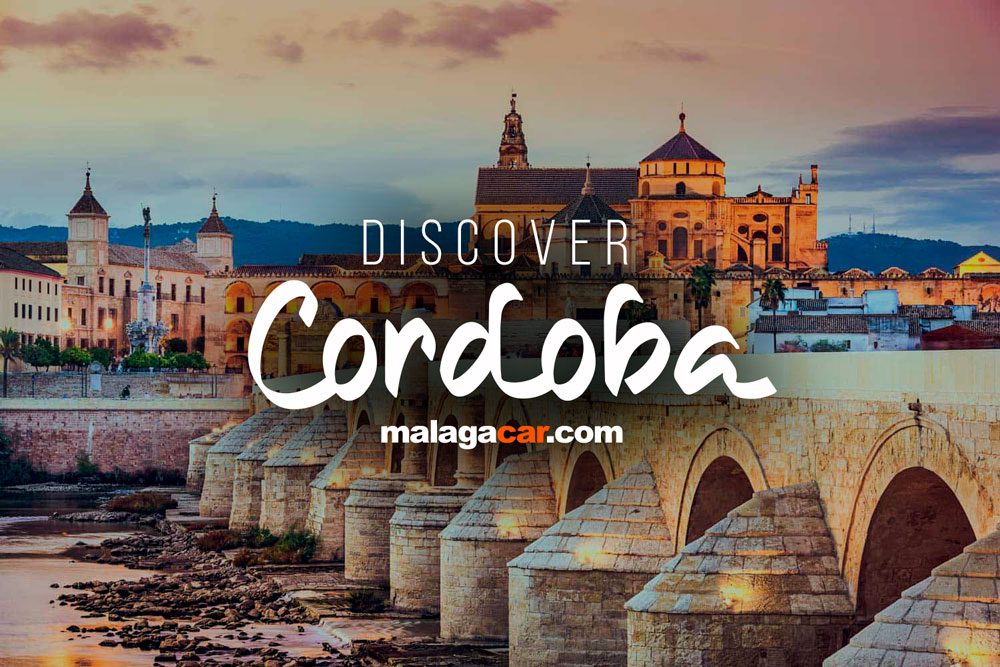
Cordoba: History, Culture and Heritage in the Heart of Andalucia
Cordoba is the third-largest city in Andalucia after Malaga and Seville, and is renowned for its magnificent old town, which displays a rich variety of monuments from the Roman era and the period of Al-Andalus. This historical wealth has earned it recognition as a UNESCO World Heritage site.
When exploring Cordoba, you will be captivated by cultural celebrations such as the Patios Festival (Fiesta de los Patios Cordobeses). During this vibrant event, residents open their traditionally flower-decorated courtyards to the public, offering a unique insight into local life and horticultural skill.
For those arriving from Malaga, hiring a car is an excellent way to enjoy the scenic drive to Cordoba and explore the many attractions of the city at your own pace.
History of Cordoba: From Roman Times to the Caliphate
The name Cordoba probably has Phoenician (Qart-tuba) or Iberian origins, but it was already known as Cordoba during the Roman era. The city was founded around 152 BC by Roman settlers, marking the beginning of its long and rich history.
After the fall of the Roman Empire, Cordoba was conquered by the Visigoths. Their rule initially met resistance from the local population. Later, the city fell to the Muslims and was developed into the Caliphate of Cordoba. During this golden age, Cordoba grew into one of the largest cities in the world, with a population of around 450,000. Iconic monuments such as the Mezquita and Medina Azahara were built in this period.
Following the Christian reconquest, many ancient Roman houses were divided among the nobility who had participated in the conquest. This era saw the construction of numerous religious buildings that remain standing today.
Due to a combination of epidemics and economic difficulties after the conquest, Cordoba's population shrank from 450,000 to just 25,000. The splendour of the Muslim era faded, a situation that only began to improve in the mid-20th century.
Climate in Cordoba: Continental Mediterranean
Cordoba enjoys a continental Mediterranean climate. Winters are generally mild, with occasional cold spells that can bring temperatures down to freezing. Summers, on the other hand, are hot, with temperatures often reaching 45 degrees Celsius in July and August.
Attractions in Cordoba Not to Be Missed
The rich history of Cordoba is evident in its old town, the second largest in Europe to be designated a UNESCO World Heritage site. Here you can visit some of the city's most important historical buildings.
As you stroll through Cordoba, you will discover statues of illustrious residents such as Seneca, Averroes and Maimonides, commemorating their contributions to the city's intellectual and cultural heritage.
Mezquita of Cordoba: An Iconic Monument
Mezquita of Cordoba, a testament to Islamic and Christian architecture
The Mezquita of Cordoba, alongside the Alhambra of Granada, is one of the most significant monuments in Andalucia and a symbol of Cordoba's diverse cultural heritage. Originally built as a Visigothic church on the remains of a Roman temple dedicated to Janus, the Mezquita was later transformed into a grand mosque under the Umayyad Caliphate, particularly during the reign of Abd al-Rahman I.
Construction of the mosque began in AD 785 and continued through several expansion phases, resulting in a vast, intricately designed structure. The most striking feature of the Mezquita is its hypostyle hall, comprising nearly 850 columns of jasper, onyx, marble and granite supporting two-tiered arches in red and white stripes. This architectural masterpiece creates a visually stunning and serene atmosphere, reflecting the ingenuity and artistic vision of the Islamic architects of the time.
The Mihrab, a niche in the wall indicating the direction of Mecca, is another highlight of the Mezquita. It is richly decorated with golden mosaics and intricate geometric patterns, demonstrating the wealth and sophistication of the Caliphate era. The courtyard, known as the Patio de los Naranjos (Orange Tree Courtyard), is filled with orange trees and fountains, providing a peaceful space for reflection and relaxation.
In 1236, following the Christian Reconquista, the mosque was converted into a Catholic cathedral. Later additions include a Renaissance nave and chapels, blending Gothic, Baroque and Renaissance elements with the original Islamic design. The result is a unique and harmonious fusion of styles that tells the complex story of Cordoba.
Today, the Mezquita-Cathedral of Cordoba stands as a testament to the city's rich and multifaceted past, attracting millions of visitors each year who come to admire its beauty and historical importance. It remains an active place of worship, hosting both Catholic and Muslim prayers on special occasions, symbolising a spirit of coexistence and cultural exchange.
Roman Bridge: Historic Link across the Guadalquivir
Roman Bridge, a structure restored over the centuries
The Roman Bridge dates from the 1st century and stretches more than 300 metres across the Guadalquivir River. Although only two of the original arches remain, the rest of the bridge was restored during the Andalusian period, the Christian era and in the 20th century.
Discovered in the mid-20th century, Medina Azahara is an archaeological site that highlights Cordoba's significant role during the Al-Andalus period. Founded by Abd al-Rahman III in the 10th century, this palace city was intended to serve as the administrative and de facto capital of the Caliphate of Cordoba, reflecting the caliph's power and the Islamic art and culture of the era.
The site lies on the western outskirts of Cordoba, at the foot of the Sierra Morena. It offers visitors a glimpse into the grandeur and sophistication of the Umayyad Caliphate, with its intricate architecture, lush gardens and advanced infrastructure. Medina Azahara was a symbol of the caliphate's prosperity and a demonstration of the ruler's absolute power.
The complex includes several palaces, administrative buildings and mosques, each displaying exquisite craftsmanship and design. The Salon Rico is one of the most notable structures, adorned with detailed carvings and decorations that exemplify the artistic achievements of the period. The city planning was meticulously thought out, with streets, residential districts and public spaces highlighting the urban planning skills of the time.
Despite its brief period of glory, Medina Azahara was abandoned and fell into ruins after the collapse of the caliphate. Today, the site has been partially restored and excavated, allowing visitors to explore its remains and gain insight into Cordoba's illustrious past.
Guided tours help visitors navigate the extensive site and understand its historical significance. The adjacent museum houses a collection of artefacts and provides detailed information about the history, architecture and daily life of the inhabitants.
Medina Azahara is a must for anyone interested in history, archaeology and Islamic art. Its discovery has contributed greatly to our understanding of the cultural and political achievements of Al-Andalus.
Archaeological and Ethnological Museum: Displays finds from prehistory to the Middle Ages, all from Cordoba. (Map)
Museum of the Caliphal Baths: Dedicated to Jewish culture and traditions. (Map)
Olive Oil Museum: Presents the history and production of olive oil. (Map)
Water Museum: Explores the importance of water in Cordoba's history. (Map)
Natural Surroundings of Cordoba: Rivers and Mountains
The natural surroundings of Cordoba are an impressive mix of diverse landscapes, from lush riverbanks to rugged mountains. The city's geographical position between the Guadalquivir River and the Sierra Morena offers a variety of natural attractions that appeal to nature lovers and adventurers alike.
The Guadalquivir, one of Spain's most important rivers, flows majestically through Cordoba. Its banks are lined with green vegetation, providing picturesque spots for peaceful walks, picnics and birdwatching. The serene atmosphere by the river is ideal for those seeking to escape the hustle of the city and connect with nature.
Just a short drive from the city centre, the mountains of the Sierra Morena offer a dramatic contrast to the river's tranquillity. This range is known for its rich biodiversity and breathtaking views. Walking trails of varying difficulty wind through dense forests, rock outcrops and open meadows, offering spectacular panoramic vistas of the surrounding landscape. The Sierra Morena is also a refuge for wildlife, including deer, wild boar and a variety of bird species.
For those wishing to explore protected natural areas, the nearby Sierra de Hornachuelos Natural Park is a must. This park hosts a variety of flora and fauna, including the endangered Iberian lynx. Visitors can enjoy hiking, mountain biking and wildlife observation in this pristine natural setting.
Gardens of the Alcazar of the Christian Monarchs, a historic green space
Cordoba also boasts several parks and gardens within the city. The Victoria Gardens and the Gardens of the Alcazar of the Christian Monarchs are perfect for a relaxing stroll, offering lush green areas, beautiful fountains and historic monuments. These urban green spaces provide a tranquil oasis in the heart of the city.
Fairs and Festivals in Cordoba: Living Traditions
Cordoba is known for its lively fairs and festivals, which provide a unique insight into its rich cultural heritage and cheerful traditions. These events bear witness to the city's historical importance and its enduring festive spirit.
The May Fair: Annual Celebration
One of the most famous events in Cordoba is the May Fair. This colourful festival takes place at the end of May and is one of the most eagerly anticipated events of the year. The fairground comes alive with music, dance and a sea of traditional Andalusian dress. Visitors can enjoy a variety of attractions, from horse-drawn carriage rides to thrilling fairground rides, and sample delicious local cuisine.
The Patios Festival: Open Courtyards
Another highlight is the Patios Festival, held in May, when residents open their beautifully flower-decorated courtyards to the public. This tradition dates back to 1918 and has been declared Intangible World Heritage by UNESCO. It is a feast for the senses with vibrant colours, fragrant flowers and artistic courtyard designs that showcase the artistic talent of Cordoba's residents.
May Crosses: Floral Decorations
The May Crosses celebration sees the city's squares and streets adorned with large crosses made of flowers. This event, held at the beginning of May, includes music, dance and street performances, creating a festive atmosphere that invites locals and visitors to join in the celebrations.
Holy Week: Religious Processions
Holy Week (Semana Santa) is a significant religious event in Cordoba. The city hosts elaborate processions featuring intricately designed floats, traditional music and solemn marches. This event attracts thousands of visitors each year and offers a profound cultural and spiritual experience.
Christmas and New Year Celebrations: Lights and Markets
During the Christmas season, Cordoba transforms into a winter wonderland with festive lights, markets and nativity scenes. The city's streets fill with the sounds of carols and the scents of traditional Christmas sweets. New Year's Eve is celebrated with a grand spectacle, including fireworks and parties that welcome the new year with joy and enthusiasm.
Cordoba's fairs and festivals provide an enriching experience that combines history, culture and community spirit. Whether taking part in the lively May Fair or exploring the charming Patios Festival, there is always something to celebrate in this vibrant Andalusian city.
Gastronomy in Cordoba: Traditional Flavours
The gastronomy of Cordoba is a vivid reflection of its rich cultural history, blending influences from Roman, Arab and Christian traditions. The city's culinary scene is a feast for the senses, offering a wide range of traditional dishes that highlight the flavours of Andalucia. Whether dining in a top-class restaurant or a cosy tavern, Cordoba's cuisine will delight your palate.
Recommended Dishes in Cordoba
Salmorejo: A cold, creamy tomato soup garnished with hard-boiled eggs and serrano ham.
Flamenquin: Breaded and fried pork loin rolled with ham, served with chips or salad.
Rabo de Toro: Braised oxtail, slowly cooked to perfect tenderness in a rich, flavourful sauce.
Gazpacho: Another cold soup made from tomatoes, cucumbers, peppers, onions and garlic, ideal for hot summer days.
Berenjenas con Miel: Fried aubergines with honey, a delicious sweet-and-salty combination.
Carrillada: Braised pork or beef cheeks, cooked until meltingly tender, often served with potatoes or vegetables.
Pestinos: A traditional pastry flavoured with anise and honey, typically enjoyed during celebrations and festivals.
Local Gastronomic Experiences
To truly experience Cordoba's culinary delights, consider visiting some of the city's traditional taverns and modern restaurants. Local markets such as Mercado Victoria are also excellent places to sample fresh produce and regional specialities. Do not miss the opportunity to accompany your meal with a glass of Montilla-Moriles wine, a local variety known for its distinctive taste.
A Walk through Cordoba: Discover the City
Virtual tour through the streets and monuments of Cordoba
How to Reach Cordoba: Transport Options from Malaga Airport
The journey from the Costa del Sol to Cordoba is an adventure in itself, offering picturesque views and a comfortable route. Here are the best options for travelling from Malaga Airport to Cordoba – ideal for those wishing to discover the historic city and its natural surroundings such as the Sierra Morena or Medina Azahara. The route allows stops at intermediate locations or archaeological sites, enriching your experience.
Discover Cordoba by car, a flexible way to explore the region
To move around Cordoba and its surroundings with ease, consider car hire or a private transfer, as these options allow visits to places such as Medina Azahara without fixed schedules.
Car Hire: Explore Cordoba and Surroundings
Choosing a hire car from Malaga Airport enables you to take the A-45 towards Antequera and then on to Cordoba, or the N-331 for a more scenic route. This method offers flexibility to visit Medina Azahara to the west or the Sierra de Hornachuelos Natural Park, combining history and nature in your itinerary without restrictions.
A private transfer or taxi from Malaga Airport ensures a direct journey to Cordoba, ideal for those who prioritise comfort and wish to begin exploring monuments such as the Mezquita or the Roman Bridge without delay, with the option to extend the trip to outlying areas.
*No need to enter your credit card details or make advance payments. We recommend booking well in advance to secure the best prices and availability.
Other Transport Options to Cordoba
In addition to car hire and private transfers, Cordoba is accessible by public transport. Alsa buses run directly from Malaga Airport to the Cordoba bus station, providing an economical alternative for direct travel. For the train, take a local train, bus or taxi from the airport to Maria Zambrano station in Malaga and then the high-speed AVE train to Cordoba in about 50 minutes. Within the city, local buses facilitate movement between the historic centre and outlying areas such as Medina Azahara.
Route from Malaga Airport to Cordoba
Frequently Asked Questions about Cordoba
How many days do you need to visit Cordoba?
To see the main attractions and enjoy the atmosphere, plan at least two full days; three if you wish to include excursions to the surroundings.
What are the best areas to stay in Cordoba?
The old town near the Mezquita offers proximity to attractions; the Jewish quarter combines history with modern options.
Is Cordoba a safe city for tourists?
Cordoba has a low incidence rate, but as with any destination, basic precautions should be taken in busy tourist areas.
Which nearby villages are worth visiting from Cordoba?
Villages such as Montilla or Zuheros stand out for their wineries and landscapes and are reachable by car for a day trip.
Is there public transport within Cordoba?
City buses connect the centre with outlying districts, supplemented by taxis for quick journeys.
What free activities are there in Cordoba?
Walking across the Roman Bridge, exploring squares or visiting public gardens offer experiences at no cost, with a focus on the urban heritage.