The Alpujarra Granadina: White Villages, Tradition and Nature in the Sierra Nevada

Nestled in the heart of the province of Granada, the Alpujarra Granadina is a mountainous region lying between the mighty Sierra Nevada and the Mediterranean, framed by the Sierra de Lújar. Here, a distinctive architecture of Moorish origin has been preserved, along with a way of life deeply tied to the land. For travellers seeking authenticity and stunning scenery, this is a truly special destination.

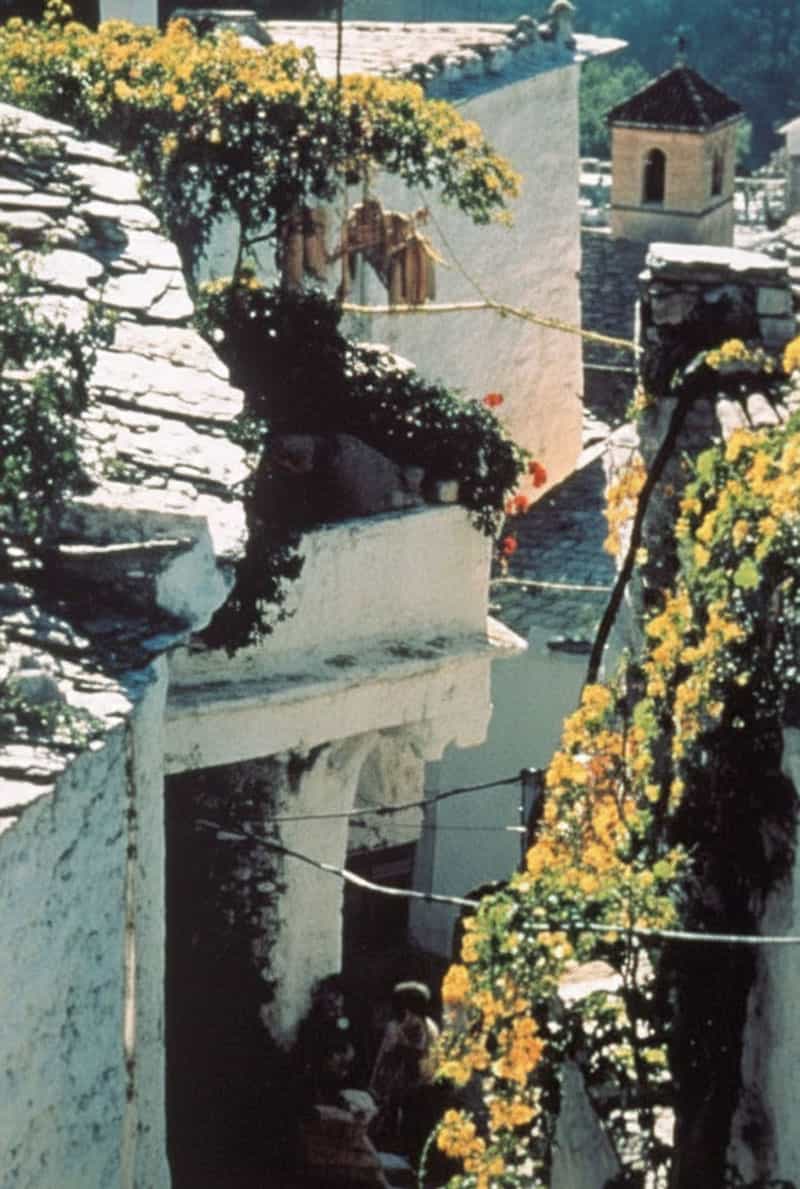
Typical white village in the Alpujarra Granadina perched on a hillside
A typical village in the Alpujarra Granadina

During the eight centuries of Moorish rule (Al-Ándalus), the Alpujarra enjoyed a period of great prosperity. Following the Christian reconquest, the region became the scene of the Morisco rebellion (Rebelión de las Alpujarras), an event that left a lasting mark on its history and cultural heritage.

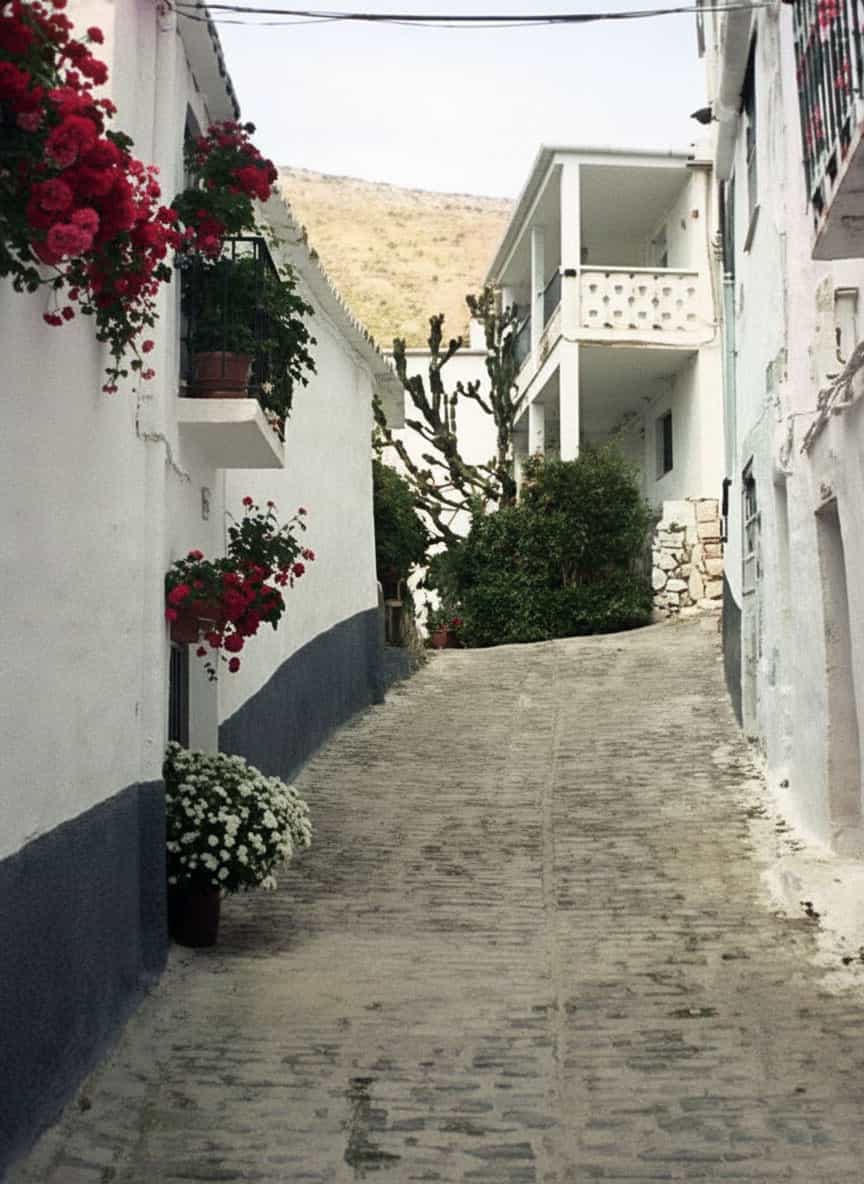
Narrow cobbled lane in a village of the Alpujarra
A characteristic lane in the villages of the Alpujarra

Tourism and Traditions in the Alpujarra Granadina

In recent years, the Alpujarra has drawn increasing numbers of visitors captivated by its vibrant traditions, festivals, excellent cuisine and affordable accommodation.

Local Festivals

The festivals of the Alpujarra reflect its rich cultural heritage, bringing together locals and visitors with music, dance and food.

  • Moors and Christians Festival: A dramatic re-enactment of the historical battles, complete with period costumes. It is celebrated in places such as Válor in September.
  • Traditional Music Festival: Held since 1982 on the second Sunday of August, featuring performances by local musicians showcasing the region’s folklore.
  • Chestnut Festival: From 1 to 3 November, the chestnut harvest is celebrated with roasted chestnuts, singing and dancing around bonfires.

Each village hosts its own celebrations throughout the year, offering unique insights into local life.
Traditional Crafts

Geographical isolation has helped preserve ancient craft techniques bearing Moorish influence. Notable examples include pottery fired in wood-burning kilns with geometric and natural motifs, textiles woven on centuries-old looms, and baskets and mats made from esparto grass and wicker.

These items stand as a living testament to the region’s creativity and connection to its past.

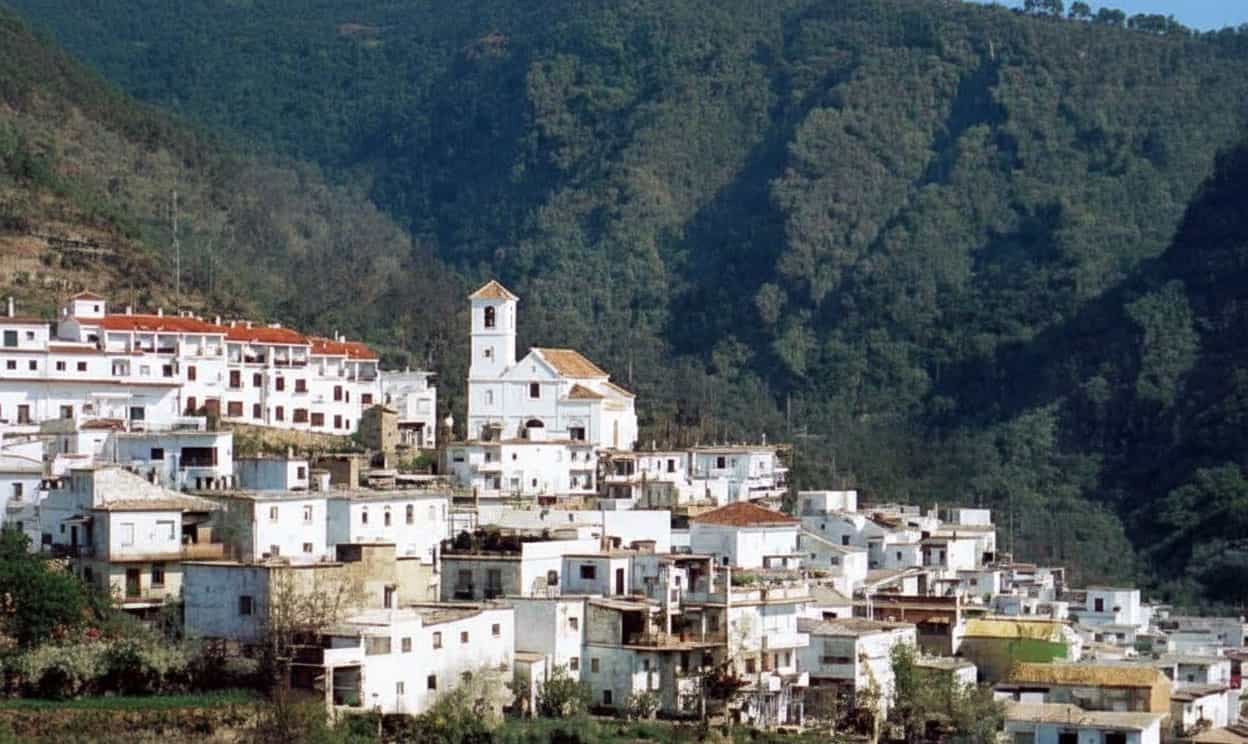
Panoramic view of a white village in the Alpujarra Granadina
Panoramic view of a village in the Alpujarra Granadina

Places of Interest in the Alpujarra Granadina

The region combines spectacular natural beauty with picturesque villages of narrow lanes and whitewashed houses.

Natural Highlights

Sierra Nevada National Park offers diverse flora and fauna, walking trails with views of snow-capped peaks, and rivers and waterfalls that provide welcome refreshment on warm days.

Night-time road in the Alpujarra Granadina with mountain panorama
A night-time road in the Alpujarra Granadina

Charming Villages

The villages retain their traditional character. Among the best known are:

  • Lanjarón: Famous for its medicinal springs and spa waters.
  • Órgiva: The regional capital.
  • Soportújar: Known as the “witch village”.
  • Pampaneira: Part of the historic Barranco de Poqueira.
  • Bubión: Also in the Barranco de Poqueira.
  • Capileira: Offering magnificent views over the ravine.
  • Pitres: A convenient stop en route to Trevélez.
  • Pórtugos: Close to the Fuente Agria spring.
  • Trevélez: The highest village in the region, renowned for its cured ham.
  • Busquístar: A picturesque white village.

Further suggestions can be found in our article on the most beautiful white villages of the Alpujarra.

Cobbled lane with flowers in Pampaneira, Alpujarra Granadina
A lane in Pampaneira, one of the villages in the Barranco de Poqueira

Cuisine of the Alpujarra Granadina

The local cuisine reflects the region’s cultural heritage and abundant natural produce, with hearty stews and dishes made from local ingredients taking centre stage.

Typical specialities include:

  • Lanjarón: Fennel stew and garlic soup with ham.
  • Busquístar: Rabbit stew.
  • Capileira: Chestnut stew.
  • Trevélez: Potato and pumpkin stew (olla gitana).
  • Pampaneira: Red porridge (gachas colorás).
  • Mecina-Bombarón: Scorched garlic porridge.

The famous Plato Alpujarreño consists of fried potatoes, ham, chorizo, black pudding, loin and a fried egg. Pork-based cured meats such as chorizo and morcilla are traditional. Ham from Trevélez carries a protected designation of origin, thanks to the dry, cold climate that gives it its distinctive flavour. Sweets show clear Moorish influence: soplillos (meringue-like treats), fig bread, roscuillas and tortas de Ala-Jú, alongside seasonal fruits such as cherries, figs and oranges.

Getting to and Around the Alpujarra Granadina

A car – whether your own or hired – is the best way to explore the Alpujarra and its many villages at your own pace. There are no direct bus services from Málaga Airport, so having your own vehicle provides the greatest flexibility.

Hire car

Car Hire: Complete Flexibility

Hiring a car at Málaga Airport allows you to take the scenic coastal route via Torre del Mar and Vélez-Málaga to Motril, then head inland to Órgiva. This option lets you visit several villages and enjoy the landscape on your own schedule.

Book Car Hire at Málaga Airport
Private transfer to the Alpujarra

Taxi or Private Transfer

A private transfer from Málaga Airport takes you directly to your accommodation in the Alpujarra – ideal if you have luggage or prefer to avoid mountain roads.

Book Private Transfer

*No credit card details are required, and no advance payment is necessary. We recommend booking early to secure the best prices and availability.

Other Access Options

Main approaches: from Granada via the N-323; from the coast via the A-346 through Órgiva; from Almería via the A-347; from Guadix over the La Ragua pass.

Recommended route from Málaga to the Alpujarra Granadina
White villages of the Alpujarra Granadina

Frequently Asked Questions about the Alpujarra Granadina

When is the best time to visit the Alpujarra Granadina?

Spring and autumn offer pleasant temperatures and colourful landscapes. Winter brings snow in the Sierra Nevada, while summer features festivals and cooler altitudes.

Do I need a car to get around the Alpujarra?

Yes, a car is the most practical option as bus services are limited and do not reach all villages regularly. It allows you to explore minor roads and viewpoints freely.

Where is the best place to stay in the Alpujarra?

Órgiva makes a good base for the whole region. The Barranco de Poqueira (Pampaneira, Bubión, Capileira) offers accommodation with superb views. Trevélez is ideal for peace and high-altitude air.

Are there walking routes in the Alpujarra?

Yes, there are trails for every level – from gentle paths between villages to challenging ascents such as to Mulhacén. Popular choices include the GR-7 and the paths in the Barranco de Poqueira.

Is the Alpujarra suitable for travelling with children?

Yes, many villages have open squares, short walks and activities such as visits to craftsmen or tastings. Springs and spa waters also provide extra entertainment.