Salobreña: White Village with Moorish Castle and Beaches on the Costa Tropical
Situated in southern Spain within the province of Granada, Salobreña stands out as a highlight on the Costa Tropical. This charming white village borders Motril and Almuñécar – two other appealing spots along Granada’s coastline that pair beautifully with a visit here.
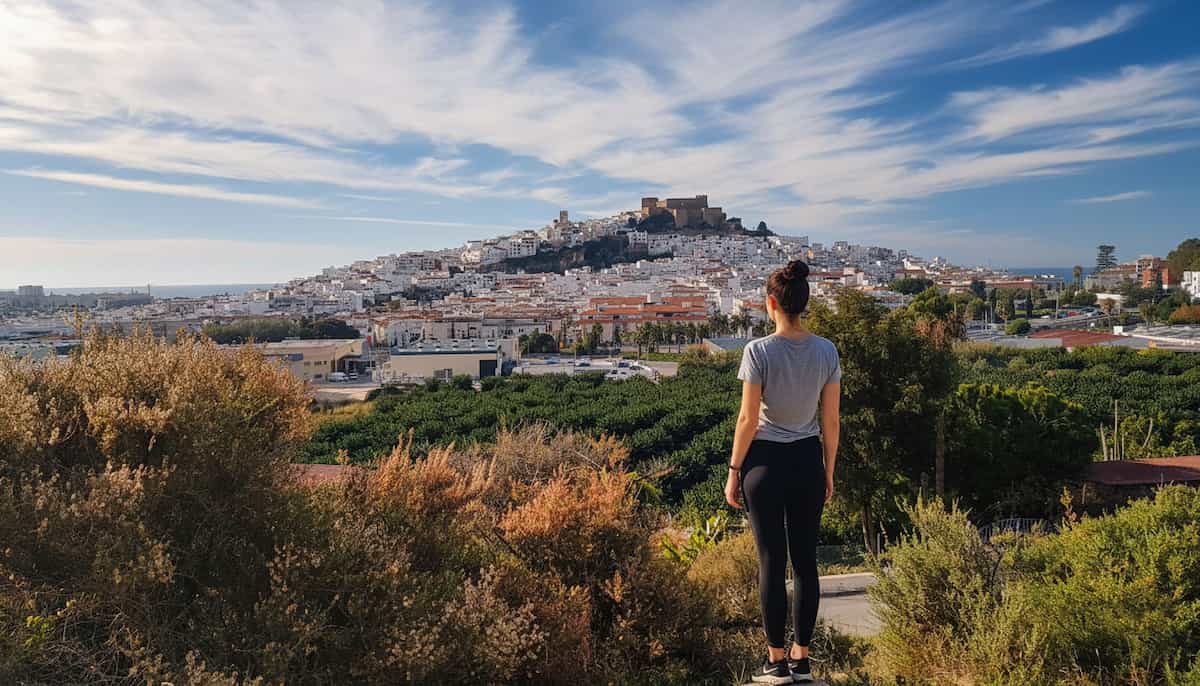
Panoramic view of Salobreña, a white village by the sea on the Costa Tropical
With its mild Mediterranean climate throughout the year, Salobreña is perfect for a relaxed holiday in southern Spain. Narrow lanes, the distinctive rock crowned by the castle, and miles of beaches invite you to experience authentic Andalucía.
History of Salobreña: From Antiquity to Modern Tourism
The area around Salobreña has been inhabited since the Neolithic period, but a permanent settlement only emerged in the 13th century BC with the Phoenicians, who relied on agriculture and livestock farming – the place was then known as “Selambina”.
In the 2nd century BC, the Romans took control and focused on vines, olives, fishing, and fish salting; it was renamed “Segalvina”.
Under Moorish rule, Salobreña gained strategic importance along the coast and acquired the name “Shalubanya”, from which the modern name derives. Sugar cane and legumes drove the economy.
In 1489, Christian forces conquered the town, repopulated it, and expelled part of the Moorish population following revolts. The Moorish castle remained significant until the 18th century and underwent numerous modifications.
In the 20th century, the sugar industry revived, and the village expanded beyond its old walls. From the 1960s onwards, tourism became the main economic driver, bringing new residential and holiday developments.
Top Sights in Salobreña Not to Be Missed
Salobreña blends rich historical heritage with natural beauty. Here are some of the standout attractions:
Moorish Castle of Salobreña: A 10th-century fortress, likely built on earlier Phoenician or Roman foundations, featuring both Moorish and Christian elements. It offers stunning views over the Mediterranean. (Map)
Church of Nuestra Señora del Rosario: A striking example of religious architecture in the old town centre. (Map)
Paseo de las Flores: A picturesque walk through whitewashed streets lined with flowers and greenery. (Map)
Mirador ‘Hoyo de la Frascunda’: Viewpoint providing sweeping panoramas of the village, rock, and sea. (Map)
La Guardia Beach: The most popular and longest stretch of sand, with good facilities. (Map)
The Moorish Castle of Salobreña: The Village’s Icon
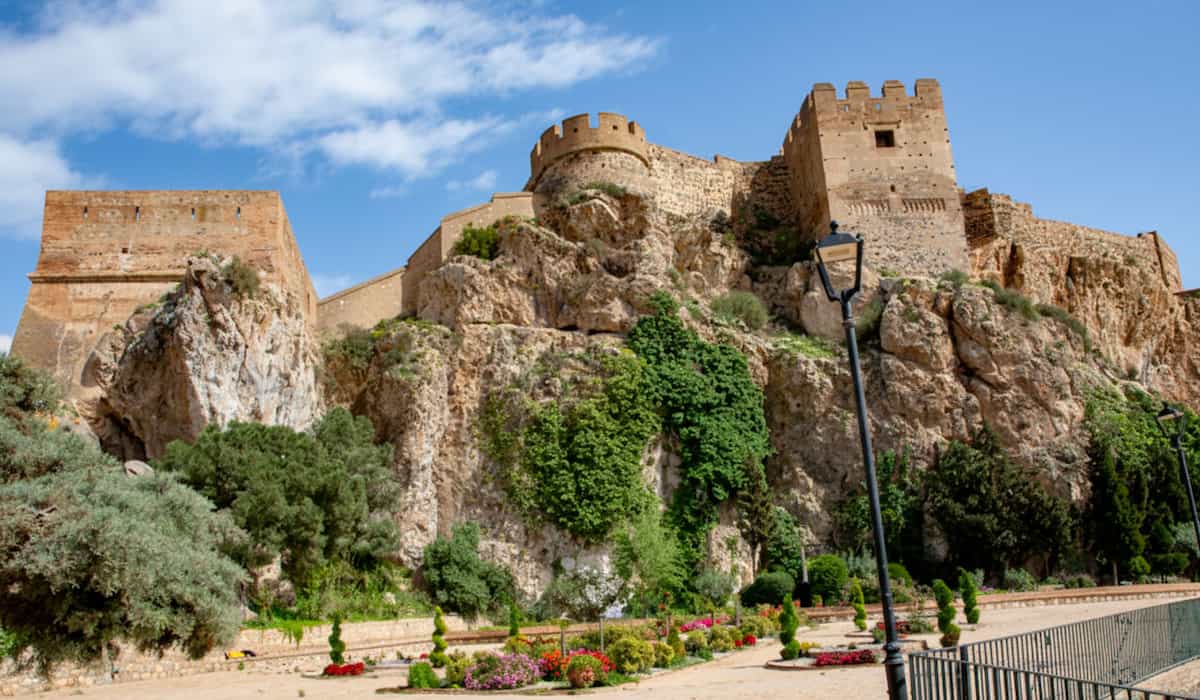
Moorish castle of Salobreña overlooking the Mediterranean
The Moorish fortress crowns the prominent rock that defines Salobreña’s skyline. From its towers you’ll enjoy unforgettable vistas across the coast and inland.
Tip: Wear comfortable shoes – the paths are partly cobbled and steep. Allow time to soak up the views and bring a camera.
Beaches of Salobreña: Sun and Sea on the Costa Tropical
Aerial view of Salobreña and its beaches
Salobreña boasts several kilometres of coastline with varied beaches. La Guardia impresses with its length and amenities, while quieter sections like La Charca or at the foot of the rock are ideal for relaxation.
Festivals and Events in Salobreña
Throughout the year Salobreña celebrates lively traditions that reflect its Mediterranean character. Among the highlights are:
Annual Fair (Feria in August): Andalusian music, dancing, funfair rides and local food on the fairground.
St John’s Eve (Noche de San Juan): Beach bonfires, fireworks and midnight swims to welcome summer.
Holy Week (Semana Santa): Solemn processions carrying ornate religious floats through the narrow streets of the old town.
Virgen del Carmen Festival: Boat procession honouring the patron saint of fishermen, with celebrations by the sea.
Gastronomic events: Festivals showcasing fresh fish, seafood and regional specialities.
Recommendation: Check the local calendar in advance – visiting during a festival makes the trip truly memorable.
Getting to and Around Salobreña
Salobreña lies roughly 100 km east of Málaga Airport. The scenic drive along the A-7 takes about one hour and 15 minutes by car, making it easy to combine with trips along the Costa Tropical, to Granada city or into the Alpujarras.
Car Hire: Complete Flexibility
Picking up a hire car at Málaga Airport gives you the freedom to explore Salobreña and the surrounding area at your own pace – from hidden coves to excursions inland. The A-7 is well-maintained and leads straight to the village.
A taxi or private transfer takes you straight from Málaga Airport to your accommodation in Salobreña without any hassle or changes – perfect for families or after a long flight.
*No need to enter credit card details in advance or make immediate payment. We recommend booking early to secure the best prices and availability.
Other Transport Options
There are no direct public transport links from Málaga Airport to Salobreña. Within the village, local taxis and buses make it easy to travel between the centre, beaches and residential areas.
Driving route from Málaga Airport to Salobreña via the A-7
Tourist Information for Salobreña
Tourist Office: Plaza de Goya, 18680 Salobreña, Granada.
Spring and autumn offer pleasant temperatures and fewer visitors. Summer is ideal for beach holidays, though busier.
Is parking difficult in Salobreña?
In high season it can be tricky in the centre and near the beaches. Free spaces are available on the outskirts, with paid car parks closer in.
Is Salobreña suitable for families?
Yes, thanks to calm beaches, easy walks and a relaxed atmosphere. Many families appreciate the blend of culture and coast without excessive crowds.
How much time should I allow for the castle?
One to two hours is usually enough to explore the site, enjoy the views and read the information panels.
Are there water sports available on the beaches?
Yes, depending on the season you’ll find options for snorkelling, stand-up paddleboarding and other activities, especially around La Guardia or the rock.