Motril: History, Beaches and Tourism on Granada's Costa Tropical
Motril is one of the most important towns in the province of Granada and the second largest by population. Its strategic location by the Mediterranean Sea has made Motril a significant place throughout history. Situated just 69 kilometres from the city of Granada, Motril has evolved from small fishing villages into a major tourist destination. Discover more in this comprehensive guide.
Motril harbour, a key maritime hub on the Costa Tropical
History of Motril: From Ancient Origins to a Tourist Centre
The origins of Motril may date back to the Phoenicians; what is certain is that the Romans inhabited the town until the fall of the Roman Empire. Later, the Arabs conquered and ruled the southern peninsula for eight centuries, leaving a lasting cultural impact.
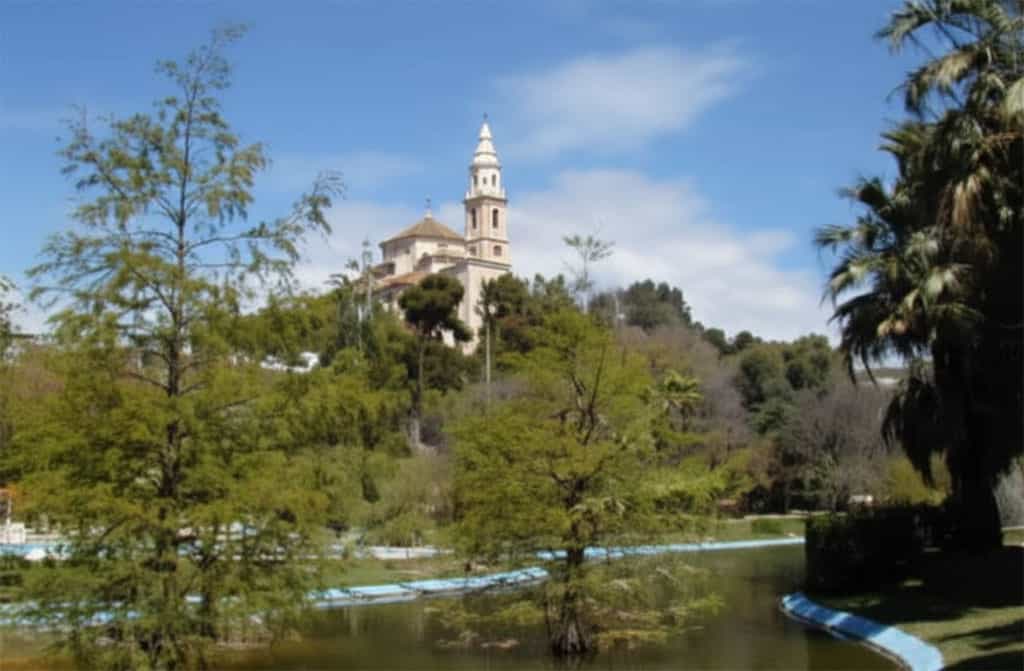
Shrine of Motril in the park, a reflection of its historical heritage
The Christian conquest of Motril led to the forced conversion of many inhabitants to Christianity. This, along with other demands, sparked a revolt among the population. In the end, the people of Motril gained certain rights and even their own council, but many left the town, leaving it largely deserted.
It was not until the 17th century, after the constant pirate attacks ceased, that Motril began to recover both economically and demographically. Although sugar production, a cornerstone of the town since ancient times, ended in the early 21st century, the remains of this industry survive as monuments to its past.
Today, Motril's economy relies mainly on tropical fruit cultivation and tourism, drawing visitors with its rich history and beautiful coastal landscapes.
Places of Interest in Motril You Should Not Miss
Motril offers plenty of tourist attractions; many can be explored on foot. Stroll through the streets, pass the old Calle Puerta de Granada and you reach the former Moorish quarter: narrow streets steeped in tradition, 17th-century architecture and museums dedicated to the old sugar cane industry, among other important sites.
Motril harbour, a lively maritime centre on the Costa Tropical
Sugar Cane Interpretation Centre: In this museum you will learn more about the history of the sugar industry in Motril. The museum is housed in an old house built in 1604 and donated by its last owner for cultural use. Sugar cane was one of the most important crops in the Mediterranean since the time of Al-Andalus, though cultivation has now largely ceased. Contact: museodelazucar@motril.es (Map)
Geominero Centre: This centre displays the different mining periods in the town and surrounding area. Opening hours: Saturdays and Sundays from 10 am to 2 pm. (Map)
Los Moriscos Golf Course: An 18-hole golf course located in Playa Granada, perfect for golf enthusiasts. (Map)
Casa de la Palma: Originally a sugar mill confiscated from a Morisco, the house was leased to Lucas Palma after the 1569 rebellion and later owned by the Victoria family. In 1983 it became municipal property and was restored as a cultural centre. Today it houses the UNED, the Municipal Library and the Municipal Archive of Motril, with a clock tower added in the mid-19th century. (Map)
Motril Harbour: The harbour area of Motril is a vibrant part of the town, offering beautiful sea views and a variety of activities. The nearby Playa de Poniente is perfect for a relaxing day at the beach, and the promenade is lined with restaurants and bars where you can enjoy local cuisine. The harbour is also a hub for events and maritime activities, making it a lively spot for visitors. (Map)
Beaches of Motril: Enjoy sun and sea at one of Motril's beautiful beaches, such as Playa Granada and Playa Poniente. (Map)
Shrine of Nuestra Señora de la Cabeza: A historic church on a hill with stunning views over the town and the sea. (Map)
La Charca de Suárez: A nature reserve that is home to a variety of bird species and offers a peaceful retreat for nature lovers. (Map)
Gastronomy in Motril: Flavours of the Sea and Tradition
Motril, Granada's main fishing port, supplies the town's kitchens with an abundance of fresh fish and seafood. Recommended dishes include lobster, prawns, gilt-head bream and sea bass, to name just a few. Don't miss two of Motril's most traditional dishes: dried octopus and sardines en moraga (a type of fish stew).
You can also try other local specialities such as:
Pescaíto frito – Small, crispy fried fish, a staple in Andalusian cuisine.
Arroz caldoso – A hearty rice dish, often prepared with lobster or other seafood.
Ajo blanco – A cold garlic and almond soup, perfect for hot days.
Sopa cachorreña – A traditional soup made with bread, garlic and paprika.
Quisquilla de Motril – A local type of prawn, often enjoyed with a cold beer or white wine.
Espichás – Sun-dried anchovies, a unique and tasty delicacy.
Torta Real – An almond pastry with Arab influences, found in many local bakeries.
Activities in Motril: Leisure and Culture for Everyone
Motril hosts a variety of lively festivals and celebrations that attract both locals and visitors. The most notable event is the Patron Saint festival in honour of the Virgin of la Cabeza, held from 9 to 15 August. This week-long celebration includes parades, concerts, fairs and religious processions, creating a unique and vibrant atmosphere throughout the town.
Golfers will find an 18-hole course in Playa Granada: Los Moriscos Golf Course.
Golf: Play at Los Moriscos Golf Course with sea views.
Maritime activities: Explore the harbour or take a boat trip.
Nature: Visit reserves such as La Charca de Suárez for birdwatching.
Shopping and markets: Wander through the Moorish quarter and its traditional shops.
Gastronomy: Try tapas in local bars with fresh seafood.
Beaches of Motril: Sandy Shores and Coves on the Costa Tropical
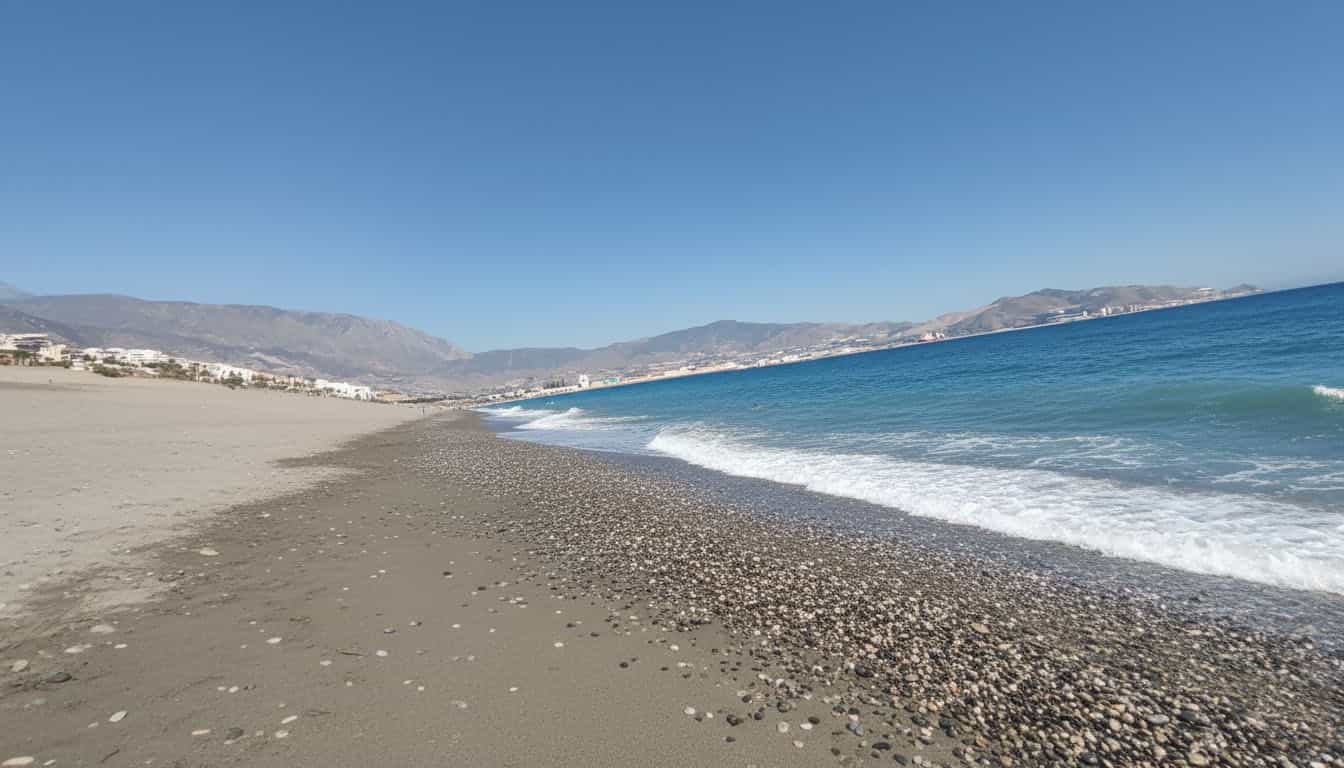
Motril boasts more than 8 kilometres of coastline, with varied beaches ranging from wide sandy stretches to quiet coves. These beaches combine crystal-clear waters with good facilities and are ideal for relaxing or watersports.
Beach in Motril, a perfect spot to enjoy sun and sea
Playa Granada: Long fine-sand beach (around 1.3 km), usually quiet and peaceful, often awarded the Blue Flag.
Playa Poniente: The most urban and popular beach, close to the centre, with beach bars and a promenade.
Playa Calahonda: Coarse sand with deep, clear water, great for diving, frequently Blue Flag awarded.
Playa Carchuna: Very long beach (around 3 km) with Blue Flag status in many years, surrounded by cliffs.
Playa La Joya: Sheltered cove, often used as a nudist beach, for a more intimate atmosphere.
Playa Las Azucenas: Quiet beach with basic facilities, near the harbour, featuring remnants of dunes.
Playa Torrenueva: With views of the watchtower, good for coastal walks and family-friendly shallow waters.
Explore these beaches to find the one that suits your plans best, whether you want relaxation or adventure.
How to Get to Motril: Options from Malaga Airport
Motril, located on Granada's Costa Tropical, is mainly accessible from the nearest airport: Malaga. Whether you want to explore the beaches, history or nearby areas such as Almunecar and Salobrena, choose the option that best fits your trip. The route along the A-7 offers lovely coastal views and takes about one hour by car, with opportunities for stops along the way.
Pay attention to speed limits on the A-7, as there are speed cameras. Check information about fines with a hire car to avoid surprises.
Car Hire: Explore Motril and Surroundings Flexibly
To move freely around Motril and visit nearby beaches such as Calahonda or the nature reserve La Charca de Suarez, hiring a car from Malaga Airport is ideal. The A-7 takes you there in about an hour, letting you discover the Costa Tropical at your own pace.
If you prefer comfort on arrival in Motril to enjoy the harbour or beaches straight away, a taxi from Malaga Airport is very practical. Avoid worries about luggage or parking – especially useful when travelling with family or in a group.
*No need to enter credit card details or make advance payments. We recommend booking well in advance to secure the best prices and availability.
Other Ways to Reach Motril
Besides car and taxi, there are direct ALSA buses from Malaga Airport to Motril bus station (journey time around 2-3 hours depending on the service). For getting around within Motril, use local buses or walk through the centre. Check timetables via buses from the airport or nearby trains via trains from the airport.
Route from Malaga Airport to Motril
Tourist Information for Motril
Motril Town Hall: Plaza de España, s/n, 18600 Motril, Granada.
Motril enjoys a subtropical mild climate with over 300 sunny days a year, mild winters and warm summers, making it ideal for visits throughout the year.
Is there parking available in Motril?
The centre has public car parks and blue zones; at beaches such as Granada or Poniente there are free areas, though they fill up quickly in high season.
Is Motril accessible for people with reduced mobility?
Many beaches have adapted access points and the centre has ramps at key monuments, although some old streets may present challenges.
What day trips can be made from Motril?
From Motril you can visit Granada city, the Alpujarra or coastal towns such as Salobrena; many of these trips are feasible as a day outing with your own transport.
Is there nightlife in Motril?
The promenade and harbour offer bars and pubs with a lively atmosphere, especially in summer, with options for tapas and live music.
Is Motril a family-friendly destination?
Yes, with safe beaches, parks and activities such as golf or visits to nature reserves, it is perfect for families looking for relaxation and culture.