
From Seville to Osuna by Bike – Washington Irving Route Stage 1

This opening stage of the Washington Irving Bike Route runs through the wide, open farmland of the Sevillian Campiña. The landscape is largely uniform — gentle undulations, olive groves, cereal fields and the occasional farmhouse — yet it is full of historical interest. The route traces a broad “M” on the map in order to visit the most important towns while keeping the Alcores ridges as the main point of reference on the horizon.

Most cyclists cover the distance over two days: Seville to Marchena on the first day and Marchena to Osuna on the second. The terrain is moderate, with no major climbs, making it an ideal start to the longer journey towards Granada.

Stage highlights

  • Quiet tracks and secondary roads across the Sevillian Campiña
  • Historic towns of Alcala de Guadaira, Carmona, Marchena and Osuna
  • Gentle rolling landscape of olive groves, cereal fields and farmhouses
  • Sections along the old railway line and the banks of the Guadaira and Corbones rivers
  • Ideal first stage of the Washington Irving Bike Route (two comfortable days)

The route in detail

Seville to Marchena

Leaving Seville, the route heads towards the lands bordering the Guadaira river, a tributary of the Guadalquivir. You cross the river at Alcala de Guadaira, at the foot of the Alcores hills, then skirt the eastern side of the ridge before climbing gently into Carmona. From Carmona the road drops into the vast Campiña, watered here by the streams that feed the Corbones river, and continues to Marchena.
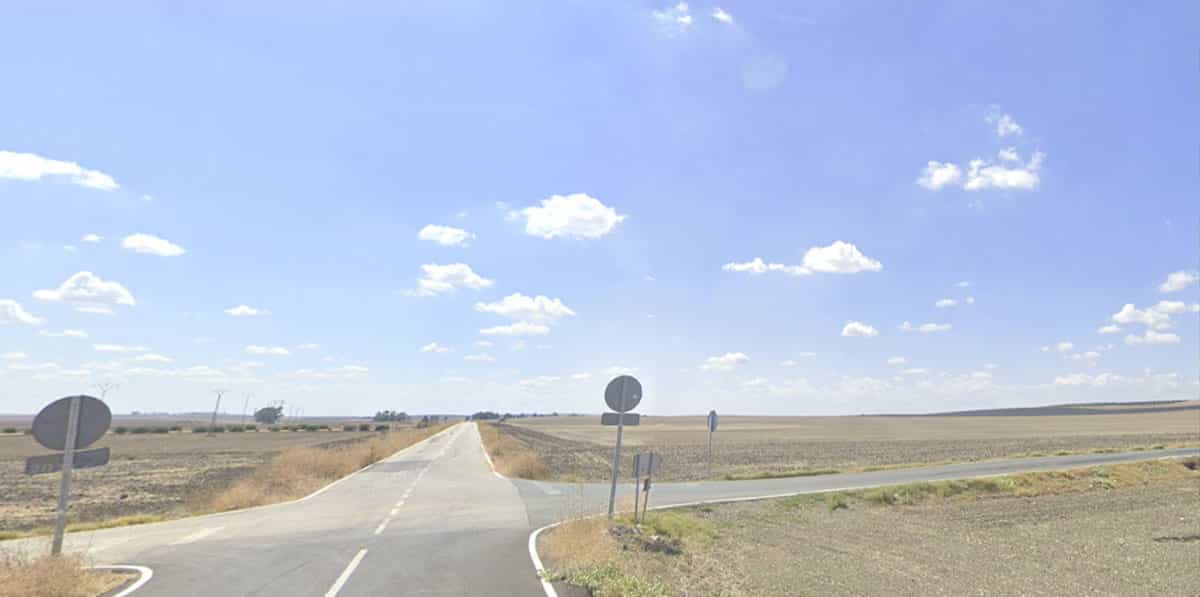
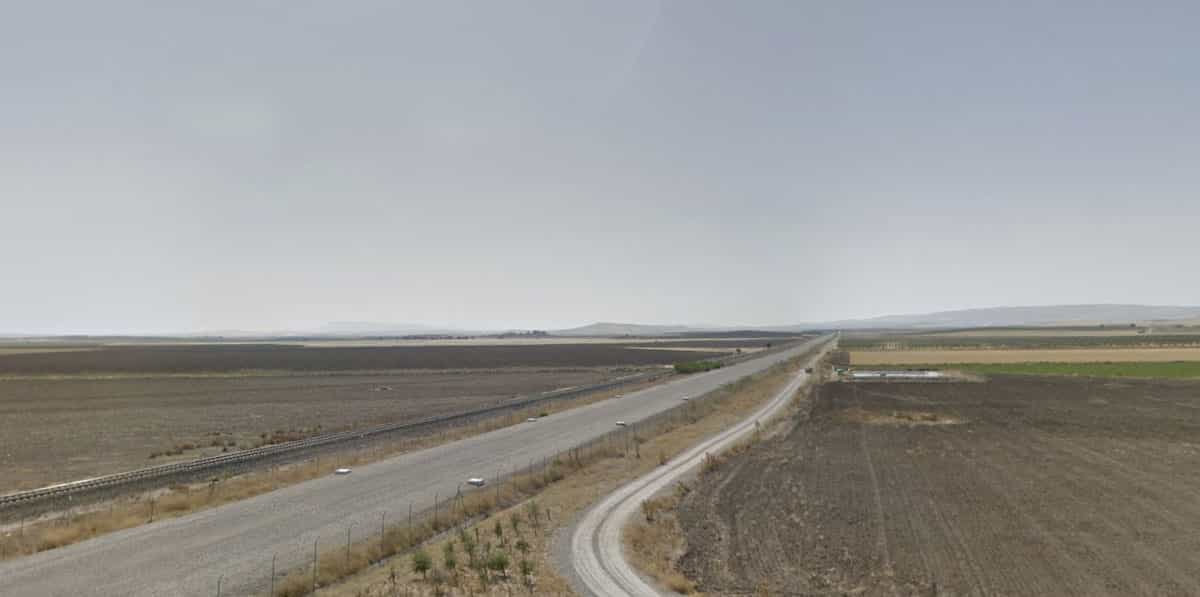
Rural road from Seville to Marchena through the Campiña

Marchena to Osuna

This second day crosses the heart of the fertile Sevillian Campiña. From Marchena the route follows the alignment of a disused railway line, fords the Corbones river and climbs towards Fuentes de Andalucía. After crossing the Madre de Fuentes stream you enter a sea of low, undulating ridges covered with olive groves and dotted with farmhouses. The track continues past the Torre de Gallape and the lagunas of La Lantejuela before arriving in Osuna, already on the lower slopes of the sierra.

Bike road from Marchena to Osuna across olive groves

Departing from Seville

The stage begins on a dirt track near the Hacienda de Quintos. Almost immediately the city is left behind and you enter an undulating landscape of sunflowers and distant olive groves. The Guadaira river soon appears, with the old flour mills that once supplied Seville still visible along its banks. The river and the fortress on the hill above give Alcala de Guadaira its name.

Through the Alcores and into Carmona

The route continues across gentle hillocks, passing the Torreón de Gandul and offering clear views of the Alcores. At the eastern end of the ridge you reach Carmona, once an important point on the Roman Via Augusta. Entry into the town is through the Alcázar de la Puerta de Sevilla.

From Carmona to Marchena

A pleasant descent follows the old Royal Path from Carmona to Marchena. Wheat fields and olive groves line the way, interrupted by streams and the occasional estate. The final stretch crosses the Vega de las Albaidas before arriving in Marchena, the town founded by the Roman general Claudio Marcelo between two low hills and refreshed by the Corbones river.

Across the Campiña to Osuna

Turning north-east, the route follows the old railway alignment towards Fuentes de Andalucía. Beyond the town the landscape opens into a wide valley of cereal crops, sunflowers and scattered olive groves. Several streams cross the path, bringing greener vegetable gardens and the shade of large orange trees around the farmhouses. The Finca de San Pablo, with its stud farm, is one of the more notable properties along the way.

The final kilometres climb gently between old and new olive groves towards Osuna. At the foot of the town lie the lagunas of La Ballestera and Calderón Chica, where flamingos and other water birds are often present.

Technical notes

The stage is generally rated easy to moderate. The terrain is rolling rather than mountainous, with long stretches of quiet tracks and secondary roads. A gravel or touring bike is ideal.

How to reach the start of this stage

This stage begins in Seville, so the most practical approach for visitors based on the Costa del Sol is to travel to Seville first and start the ride from there. A rental car or private transfer makes the logistics simple, especially if you are carrying a bicycle.

Car hire

Car hire: the most flexible option

A rental car allows you to reach Seville comfortably from Malaga Airport or any Costa del Sol resort and to position yourself at the exact start of the stage. If you are travelling with a bicycle, choose a vehicle with sufficient boot space, a roof rack or a larger estate. Many riders also use the car for support between overnight stops.

Hire a car at Malaga Airport
Private transfer

Taxi or private transfer

Private transfers are available with vehicles that can carry bicycles. You can be collected from Malaga Airport or your accommodation on the Costa del Sol and taken directly to Seville, ready to start the ride the following morning.

Book a transfer from Malaga Airport

*No credit-card details are required in advance. We recommend booking well ahead of time, especially in summer and high season.

Other transport options

High-speed AVE trains and regional services connect Malaga with Seville in around two hours. From Seville Santa Justa station it is a short taxi or local bus ride to the starting point of the stage near the eastern edge of the city. Regular buses also run between Malaga, Seville, Marchena and Osuna if you prefer to ride only one of the two days and return by public transport.

Practical tips for this stage

  • The landscape is open and exposed. Carry enough water, especially in warmer months, as shade is limited between towns.
  • A gravel or touring bike is the most suitable choice. Some sections follow dirt tracks and the old railway alignment.
  • Carmona and Marchena both offer good places to stop for lunch or an overnight stay.
  • Spring and autumn are the most pleasant seasons. In summer start early to avoid the midday heat of the Campiña.
  • Download an offline map or GPX track before setting off. Signage exists on parts of the route but is not continuous.


