Do you love to try the local cuisine on your travels? If you’re coming to the Costa del Sol in the next few weeks and enjoy strolling through the old town and discovering unique flavors, here’s a route of typical dishes from Malaga during Lent and Easter.

- No refuelling fee
- Free cancellation
- Hire without intermediaries
- Pay when you pick up your car

Typical dishes of Malaga during Lent & Easter
In Andalusia, Catholicism has been deeply rooted since the Reconquista in the 15th century, and with it came certain culinary traditions.
Thus, from Ash Wednesday to Holy Saturday, in Malaga you can enjoy traditional recipes where fish, vegetables and legumes take centre stage.
These dishes are called Lenten Dishes and are characterized by the absence of red meat or pork. Be sure to try these fresh delicacies from the local land and the Alboran Sea off the coast of Malaga. Further below, we present some of Malaga’s most traditional and deeply rooted taverns during Easter.
Chickpea stew with cod and spinach
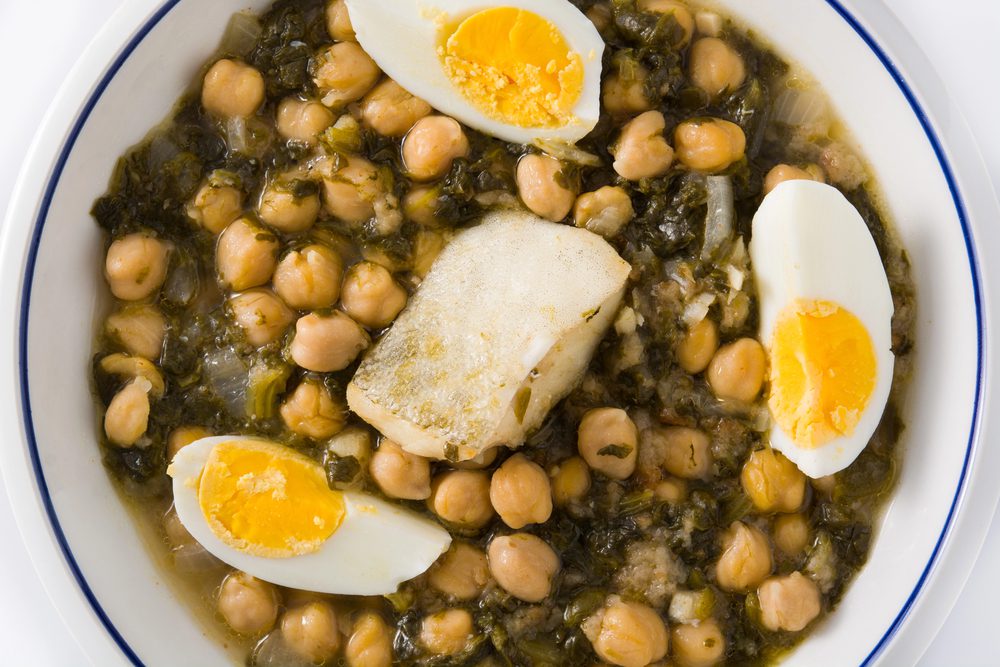
This traditional and very simple recipe is one of the most common stews for family celebrations and parties during Holy Week.
This chickpea and cod stew is perfect for Lent, but it’s so delicious you’ll want to eat it all year round.
Ajobacalao
Ajobacalao is a traditional Lenten dish from Vélez-Málaga, located in the Axarquía region on the eastern Costa del Sol. It is made with breadcrumbs, extra virgin olive oil from the Axarquía, salt cod, garlic, lemon juice, paprika and chili pepper. It is spread on bread.
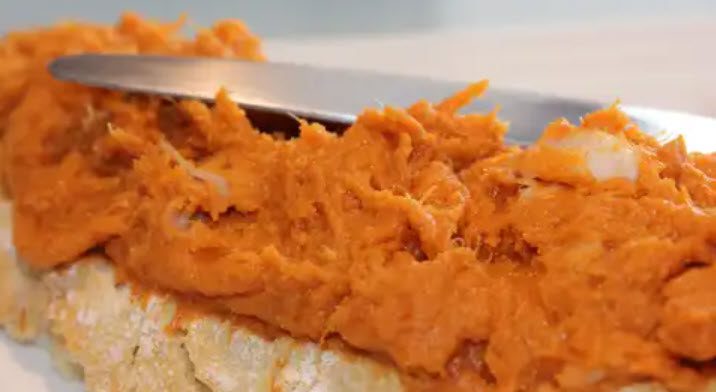
Traditionally, the brotherhoods of Vélez-Málaga prepared this dish on Holy Thursday after the procession for the men who carried the processional floats, to give them renewed strength.
This tradition is still maintained, and although cod can be found year-round, this dish is almost exclusive to the Axarquía region and is only prepared during Holy Week.
Cod fritters
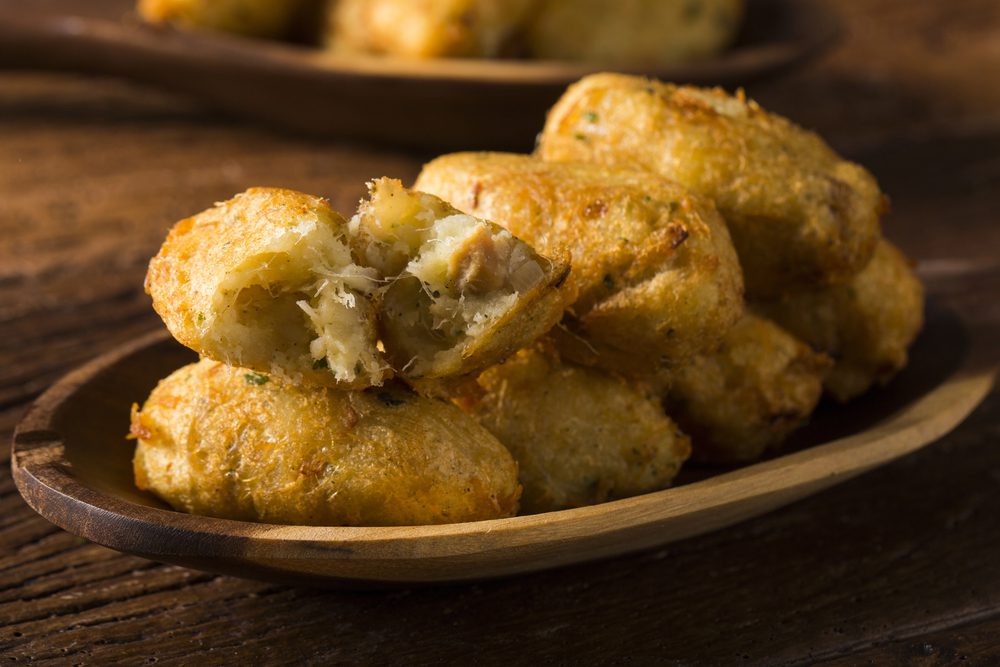
Your mouth will water over this easy yet delicious dish. Traditionally, cod was considered a cheap fish, “for the poor.”
Its base is flour, eggs, cod, parsley, garlic and saffron. These cod fritters, typical of Malaga, are appealing year-round and are ideal for dinner or as a main course.
Dogfish broth
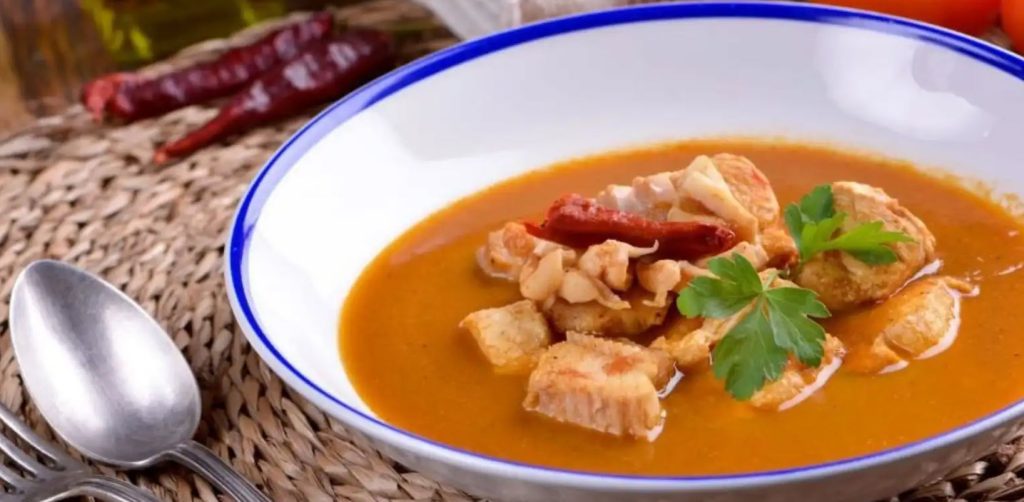
It’s a very tasty, spicy soup made with a small shark from the Bay of Malaga. Clams are added to the recipe, and optionally prawns or other shellfish. It’s a typical soup in many bars and taverns in Malaga.
Malaga salad with cod and orange
This colourful, fresh and tasty recipe combines the best of Malaga’s orchards and the sea: Oranges and cod, plus boiled potatoes, spring onions and olives.
In fact, it’s a dish you can also try outside of Easter week since there are fresh Malaga oranges throughout the winter and spring.
Fried fish
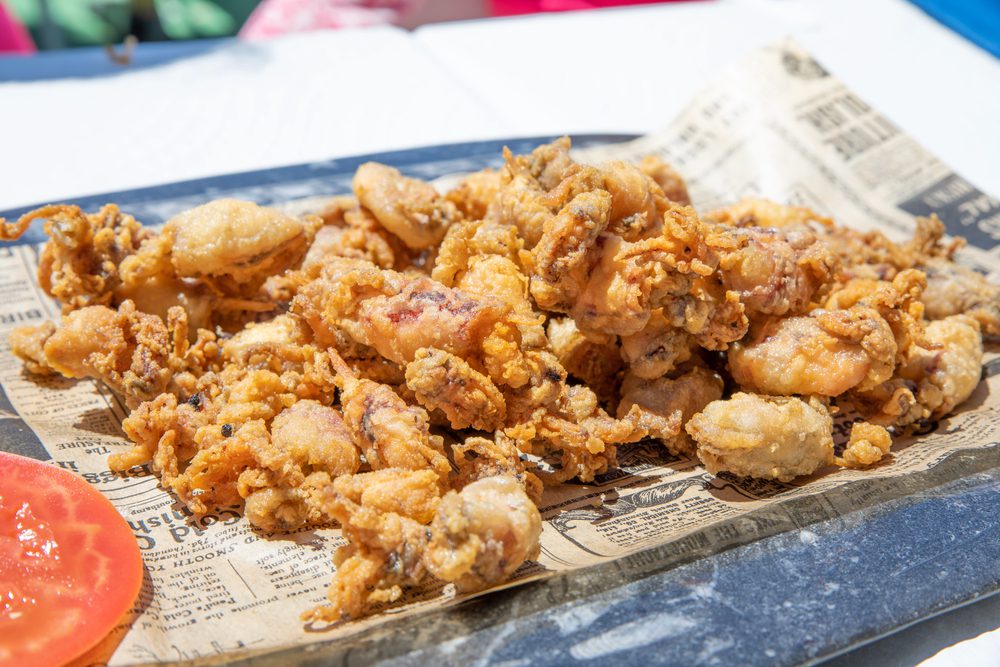
The fact that people reduce their consumption of certain meats during Lent is not a problem in Malaga at all.
Especially in the capital and coastal towns, fried fish is a highlight, and along with sardine skewers, it’s a hallmark of the Malaga coast.
Don’t miss out on trying it—you’ll be licking your fingers!
Lenten Pastries
This is the section for those with a sweet tooth. Did you think you had to abstain from sweets during Lent?
Apparently not!
In Malaga, at this time of year, sweets are prepared using traditional ingredients that have been available for centuries, but in a unique combination, only for this season. Torrijas (French toast), Pestiños (honey-dipped fritters) and buñuelos de viento (fritters) are the traditional desserts.
You can find them in many bakeries, confectioneries and pastry shops.
Torrijas
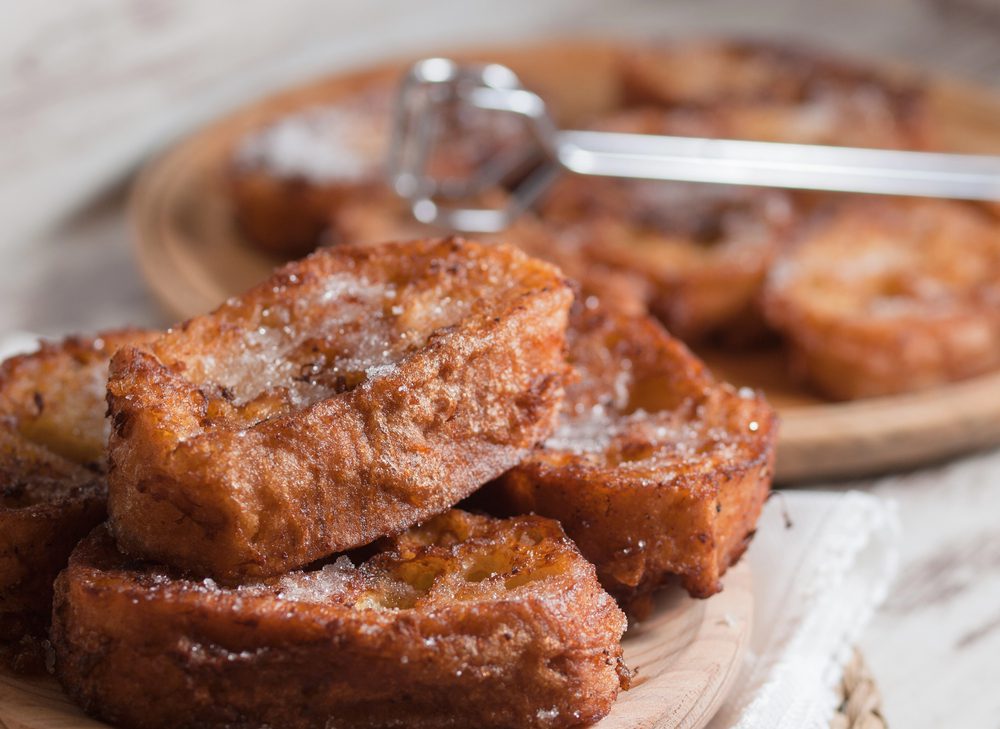
The most typical Easter sweets in Malaga are Torrijas. These are made from a slice of bread soaked in milk, syrup, or wine, dipped in egg and fried in oil. They are then drizzled with honey, molasses or sugar and cinnamon.
Buñuelos de viento (Wind fritters)
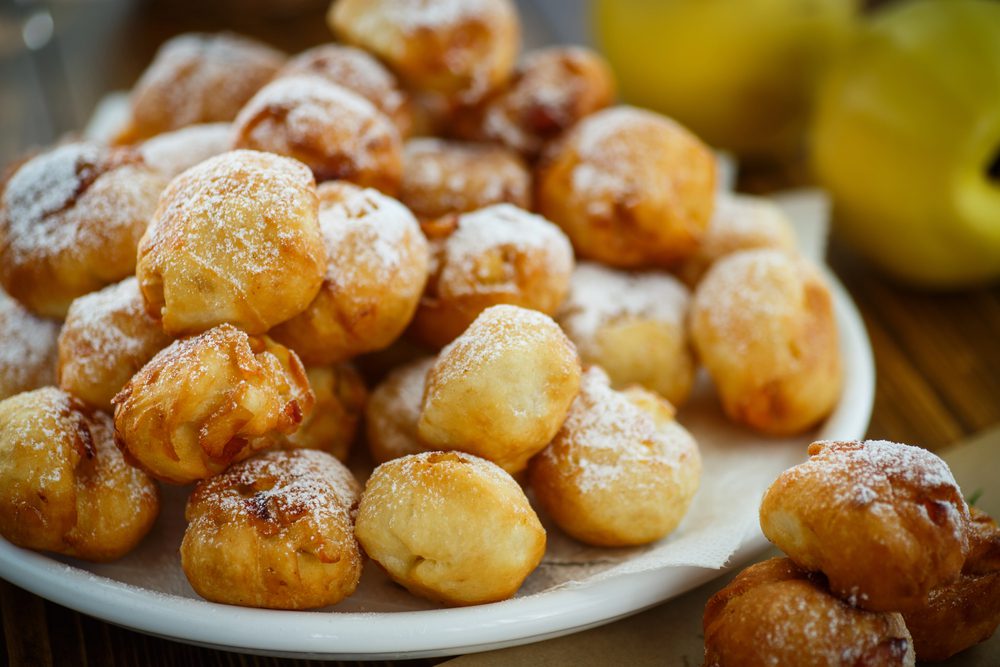
Wind fritters are small balls made with wheat flour, lard and eggs, fried in hot oil. The dough puffs up when fried, hence the name “wind fritters.”
Pestiños
And last but not least, Pestiños from Malaga are traditional Andalusian sweets, fried and typical of Holy Week, characterized by the use of sweet Malaga Muscatel wine and anise in their dough.
They are flavoured with sesame seeds, aniseed, and orange or lemon peel, and then coated with honey or sugar and cinnamon.
Unique Tradition of Malaga: Cascaruo Lemon
The “cascarúo” lemon (Malaga dialect meaning “cascarudo“) is a traditional variety from Malaga, typical of Easter and spring. It gets its name from its very thick, rough rind and is less acidic and sweeter than the common lemon.
During Holy Week, you’ll see street vendors selling it. It’s traditionally eaten in bites, sliced and seasoned with salt or baking soda, making it a very popular snack. Dare to try it?
Route of typical dishes of Malaga Lent & Easter
Below, we present some of the most representative bars and taverns in Malaga, where religious traditions and gastronomy come together.
But as you’ll discover if you wander through the streets of the old town, Malaga is a city brimming with taverns.
Want to know where to eat well? Look for the liveliest bars, packed with locals. There, perhaps sitting on a simple bar stool in a no-frills but vibrant atmosphere, you can discover delicious treats.
To keep in mind
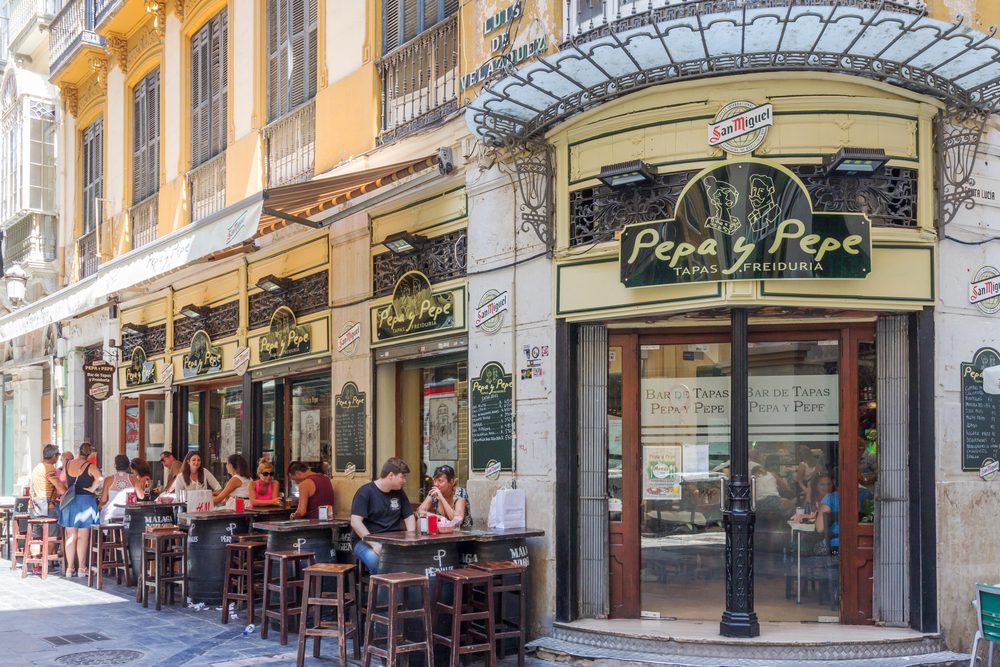
If you’re planning to have dinner or tapas during Holy Week: The processions usually start in the afternoon and last until late at night. The streets are packed with people, many of them thinking the same thing as you. In other words, the bars and restaurants are absolutely full.
If you don’t feel like waiting in line outside, we recommend planning ahead and booking a table.
Taberna Cofrade Las Merchanas
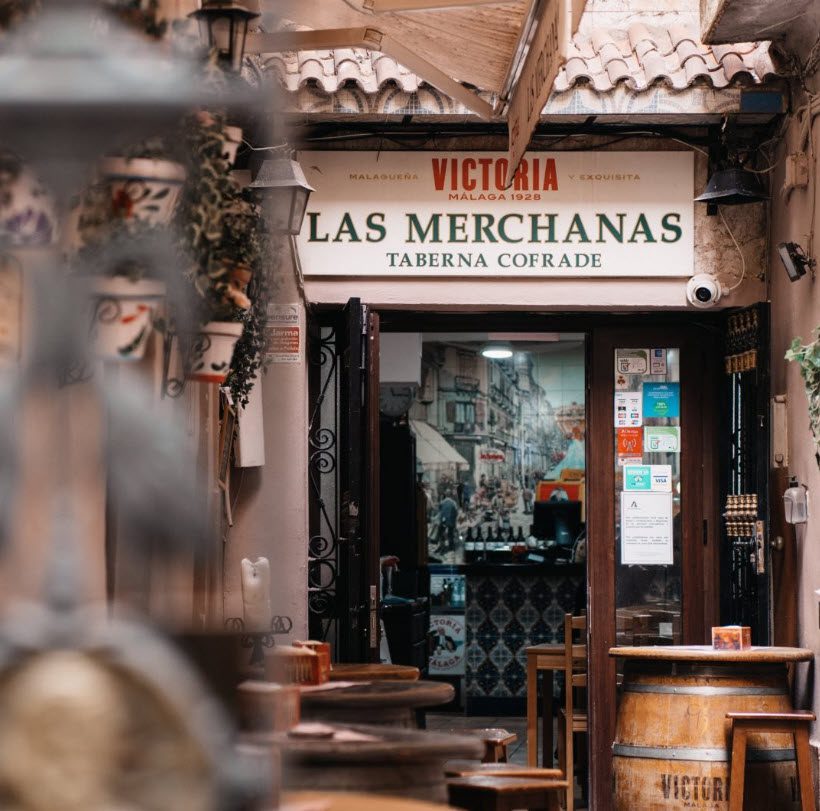
Wandering through the historic centre of Malaga, you’ll find this tavern decorated in homage to Malaga’s Holy Week celebrations. This tapas bar is perfect for going with friends and trying authentic local cuisine at a very reasonable price.
There’s a wide variety of tapas and a great atmosphere. If you’re looking for a traditional spot with local folklore and a local clientele, this is it. It also has a terrace and a bar.
Entre Varales
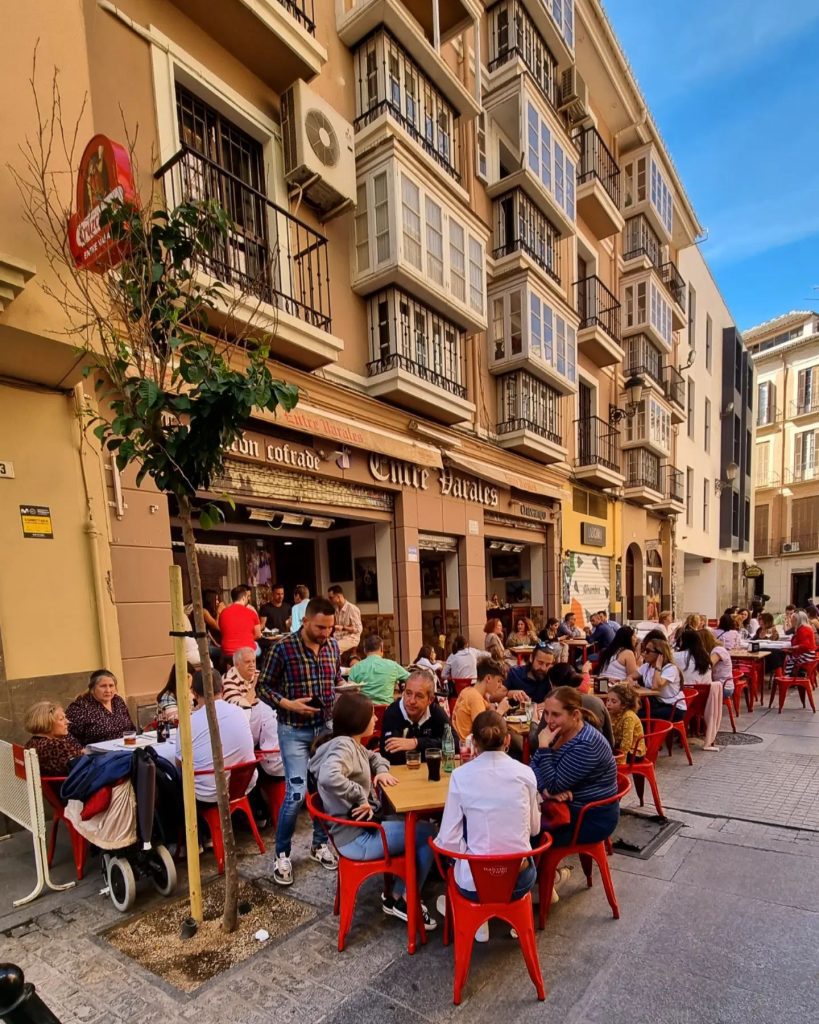
Just steps from Taberna Las Merchanas in the historic centre is this classic tavern serving tapas and local cuisine. So you can indulge in a deeply rooted Andalusian custom: bar hopping. That is, instead of staying in one place all night, you have a drink there and then move on.
Getting back to the topic, Entre Varales is one of the restaurants with the strongest ties to the brotherhoods in Malaga and is therefore very popular during Holy Week. This tavern is also decorated with images and objects related to the local Holy Week celebrations. It boasts a spacious terrace.
Bar Nerva
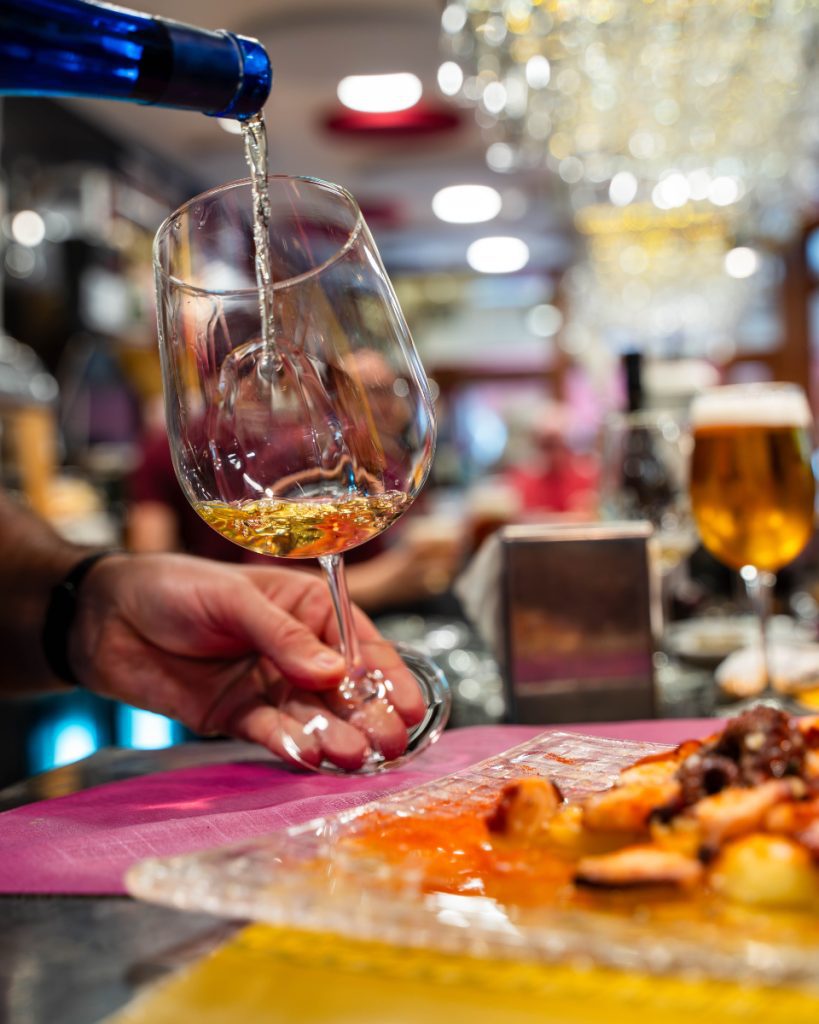
To find Bar Nerva, you’ll have to wander a little further and stray from the typical tourist route through the most popular streets of the old town.
This bar, with its bullfighting-themed decor and over 30 years of history, is a must-visit meeting place during Lent, attracting a large crowd.
There you’ll find a wide variety of typical Malaga dishes and a carefully curated selection of local wines. Their menu features cod, and their Russian salad (ensaladilla rusa) is widely recognized, both locally and on social media, as one of the best in the city.
Varo
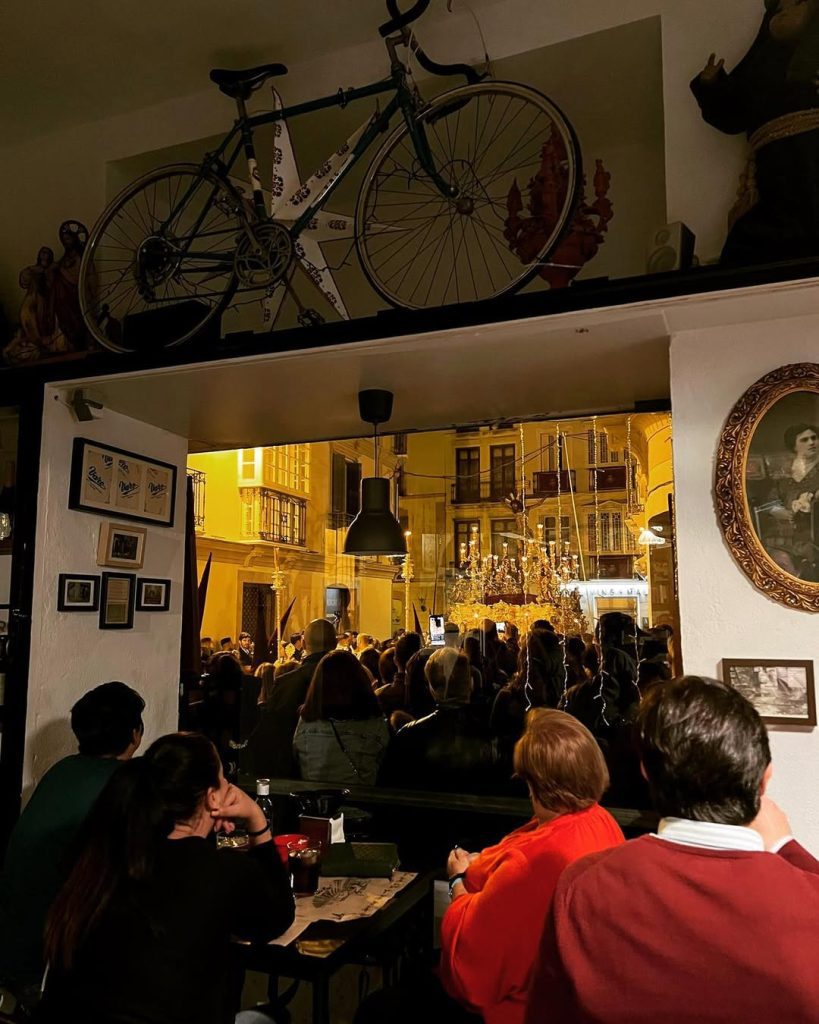
In the heart of Malaga, very close to Taberna Las Merchanas, you’ll find Taberna Varo. It’s a former family-run establishment (haberdashery) converted into a tavern where you can enjoy a great atmosphere and a beautifully decorated space with many details.
With a great atmosphere, this is a fantastic tavern in the city centre for tapas, perfect for discovering typical Malaga tapas. It’s also a perfect place to eat, with a menu that will surprise you with its variety of flavors based entirely on local Malaga products.
As a bonus, you can watch the Holy Week processions pass by from your table. Due to its location and popularity, we recommend making a reservation during Holy Week.
- Bookings: 00 34 679 673 581
- How to get there
Ajobacalao Route in Vélez-Málaga
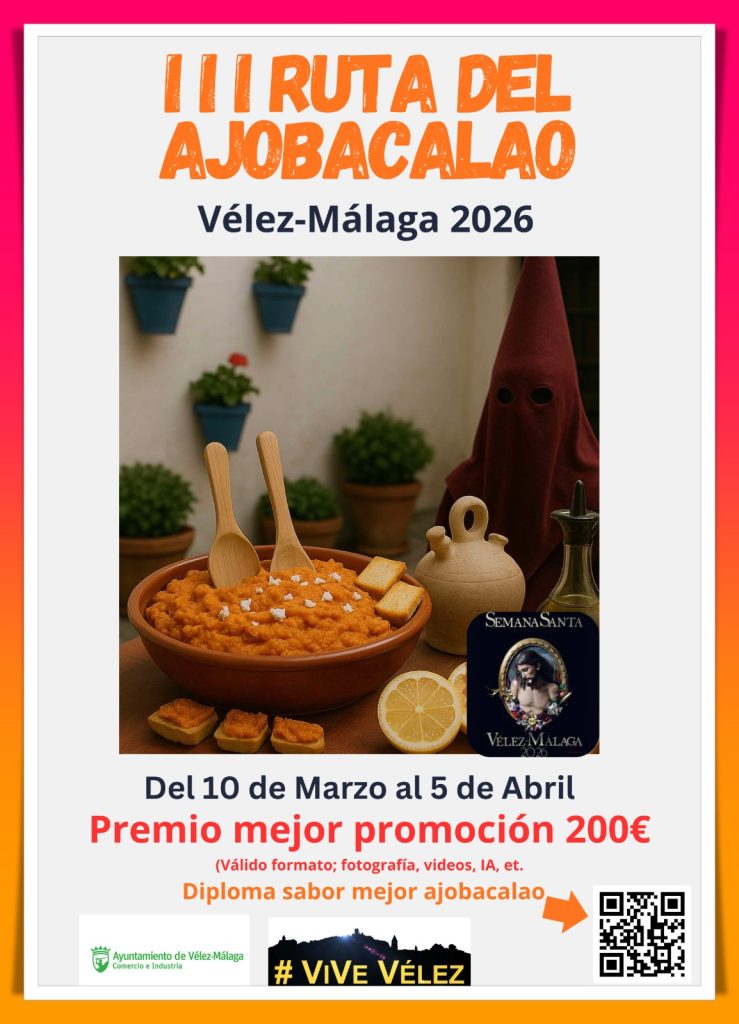
In Vélez-Málaga, located in the Axarquía region about 40 km from Málaga, a special gastronomic route is celebrated during Lenten.
Typical of this area is Ajobacalao. It’s a mixture of breadcrumbs, extra virgin olive oil, salt cod, garlic, lemon, paprika, and chili pepper, spread on bread. Traditionally, it’s prepared for the bearers of the religious thrones to regain their strength.
Between March 10 and April 5, local restaurants offer recipes such as cod in pil-pil sauce, garlic cod croquettes and stews, highlighting traditional cuisine and the avocado from the Axarquía region.
- When: March 10 to April 5
- Where: Bars and restaurants in Vélez-Málaga (see QR code on the poster)
- How to get there


 Calle Larios and Alameda Principal: The elegant heart of Malaga
 The Costa del Sol is pure Luxury!
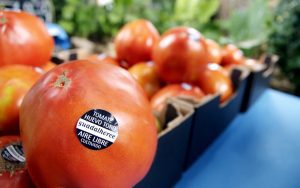 Tomato Huevo de Toro: Exquisite seasonal gastronomy