
Wines of Malaga — sweet Moscatel, Ronda reds and the hills

Malaga wine is two legal names on the same map. DO Malaga covers the sweet and fortified wines the city was famous for: Moscatel and Pedro Ximenez, from raisins or very ripe grapes. DO Sierras de Malaga, from 2001, covers the dry reds, whites and rosés — the bottles you will meet in Ronda. A third stamp, Pasas de Malaga, is not a wine. It protects the sun-dried Moscatel raisins of the Axarquia and Manilva.

The vineyards sit in five zones: the Axarquia east of the city, the Montes de Malaga behind it, the north toward Antequera, Manilva on the west coast, and the Serrania de Ronda. That is not one flat vineyard. From the Costa the useful visits are a bodega in Ronda for dry wine, or the steep Moscatel hills above Competa and Sayalonga. In the city, Antigua Casa de Guardia still pours sweet Malaga from the barrel.

*Bodegas need a booking. Sweet Malaga is a dessert or aperitif wine, not a lunch white unless the label says dry.

A short history

Grapes have been here since the Phoenicians. Romans and later centuries kept the trade. In 1502 the Catholic Monarchs confirmed the rights of Malaga’s vineyard owners. By the eighteenth century the port was sending sweet wine across Europe. In 1791 the Spanish ambassador in Moscow gave cases to Catherine II; she liked them enough to lift the duty on Malaga wine in her lands.

Phylloxera reached Spain through Malaga in the late 1870s and wrecked the old monoculture on the Montes. The sweet name survived. Dry table wine under Sierras de Malaga is the newer chapter, especially around Ronda.
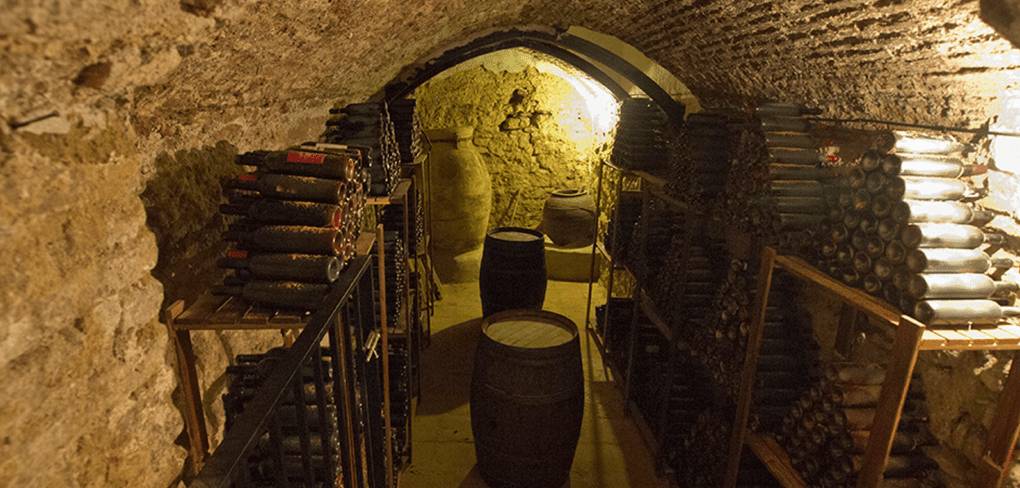
Wine museum in Ronda

What the labels mean

What you will actually be poured:

  • Sweet wines — the classic Malaga. Moscatel and Pedro Ximenez, rich, often a dessert or aperitif glass. Some are fortified with grape spirit. This is DO Malaga.
  • Wines from sun-dried grapes — the same DO, made from Moscatel or Pedro Ximenez left on mats in the sun until they wrinkle. Very sweet, strong raisin flavour. The dried fruit itself is sold as Pasas de Malaga; the wine is not a separate denomination.
  • Dry reds — Sierras de Malaga. Tempranillo, Syrah, Cabernet and others, especially around Ronda.
  • Dry whites — also Sierras de Malaga: light table whites from Moscatel, Pedro Ximenez and international grapes. Not the same drink as the sweet historic wine.
  • Rosé — less common, same dry denomination, fresh and fruity.

Pasas de Malaga on a packet is the raisin from the Axarquia or Manilva. You eat it. Wine from those raisins goes into a DO Malaga bottle.

The five zones

Axarquia

East of Malaga, the hills behind Velez-Malaga, Competa, Sayalonga and Frigiliana. This is Moscatel country: steep terraces, raisins laid on the pasero, sweet wine. La Axarquia is the day trip from the eastern Costa. Book a small bodega. The roads are slow.

Montes de Malaga

The hills immediately north of the city. Before phylloxera this was almost all vine. A little remains. Each September the Lagar de Torrijos, in the natural park, puts on a harvest fiesta with the old stomp. It is a park day with a glass, not a street of cellars.

North

Toward Antequera and the inland plain. Hotter summers, a more continental feel. Dry and sweet lots both appear. Antequera is the town stop; the vines are in the surrounding terms.

Manilva

West coast, toward Casares and Estepona. Moscatel again, and raisins under the same Pasas stamp. The vendimia here is a local fair, not a Jerez-scale week.

Harvest in Manilva

Serrania de Ronda

The high ground around Ronda. This is where Sierras de Malaga has the most visitor bodegas: dry reds, some white, tastings you can book. The wine museum photograph on this page is that world. Pair it with the gorge, not with a second mountain range the same afternoon.

Bodega in the Malaga hills

If you only have a day

From the Costa del Sol: Ronda for a dry-wine bodega, or the Axarquia for Moscatel. In Malaga city, Antigua Casa de Guardia on Alameda Principal pours the sweet wine from barrels. A longer note on cellar visits sits in Visit a winery in Malaga.

How to reach the vineyards from Malaga

Ronda and the Axarquia are hire-car country. A private transfer can drop you at a hotel in Ronda or Competa; the cellar still needs a booking and, often, a short local drive.

Car hire

Malaga airport car hire

From Malaga Airport the A-357 and mountain roads reach Ronda in about an hour and a half. The Axarquia is the A-7 east, then inland. Do not drink and drive the tasting home.

Malaga airport car hire
Private transfer

Taxi from Malaga airport

From Malaga Airport or your Costa hotel to Ronda or to a village in the Axarquia. Stay overnight if you want a bodega morning and the town. A same-day return only works for one stop.

Taxi from Malaga airport

*No credit-card details or advance payment are needed to request a quote. Cancellation is free. Book ahead in high season to avoid price rises and to secure the car or group size you need.

Other options

Trains from Malaga Maria Zambrano reach Ronda (about two hours, a scenic line). The station is below town; a taxi or the bus climbs to the bodegas. There is no useful train into Competa or Sayalonga.

Buses run Malaga–Ronda and Malaga–Velez-Malaga, with local services into the Axarquia villages. From Fuengirola, Torremolinos or Marbella go into Malaga or drive. Manilva is a short hop from Estepona by local bus or taxi. The Montes de Malaga park is a city-side drive; city buses do not stop at a lagar.

Practical tips

  • Sweet Malaga is DO Malaga. Dry Ronda red is Sierras de Malaga. Read the small print.
  • Pasas de Malaga are raisins. Buy them in the Axarquia if you want the fruit, not a third wine name.
  • One booked bodega is enough. Ronda or Competa, not both plus the Caminito.
  • In the city, a glass at Antigua Casa de Guardia is the short version of the sweet-wine story.
  • Moscatel is the muscat grape. Pedro Ximenez is the other sweet grape. Palomino belongs to Jerez, not here.

Frequently asked questions about Malaga wines

Is all Malaga wine sweet?

No. The historic name is the sweet and fortified wine. Dry reds and whites are bottled as Sierras de Malaga, many of them around Ronda.

What is Pasas de Malaga?

Sun-dried Moscatel raisins, mainly from the Axarquia. It is a food name. Wine from those raisins is sold as DO Malaga.

Where should I go from the Costa?

Ronda for a dry-wine tasting you can book. The Axarquia for Moscatel and raisins. The city bar if you only have an hour.

Is this the same as sherry?

No. Sherry is aged in Jerez, Sanlucar or El Puerto. Malaga is a different council, different hills, and Moscatel is the grape you will hear first.

Can I get to Ronda by train?

Yes, from Malaga Maria Zambrano. Then a taxi up into town for the bodega. Competa has no station.

What is Moscatel?

The muscat grape. In Malaga it is usually Moscatel de Alejandria. It makes the sweet wine and the raisins.


