San Fernando: History, Nature and Beaches in the Bay of Cadiz

San Fernando lies at the heart of the Bay of Cadiz, a welcoming town that encourages relaxed strolls. Picturesque squares and tree-lined promenades (alamedas) define its character, complemented by a long natural beach and the warm hospitality of its residents.

The mild climate allows enjoyment of the beaches and walking trails for much of the year. Its central location makes day trips to other parts of the province of Cadiz straightforward – perfect for those seeking a blend of nature, history and relaxation.

History of San Fernando: An Ancient Legacy

San Fernando’s history stretches back many centuries. Archaeological discoveries confirm the presence of Phoenicians, Romans and Arabs, along with a thriving ceramics industry in ancient times.

After the Phoenicians were defeated by the Carthaginians, the Romans arrived, followed by barbarian invasions and later Muslims and Christians. The latter conquered the Bay of Cadiz and the San Fernando area in the mid-13th century.

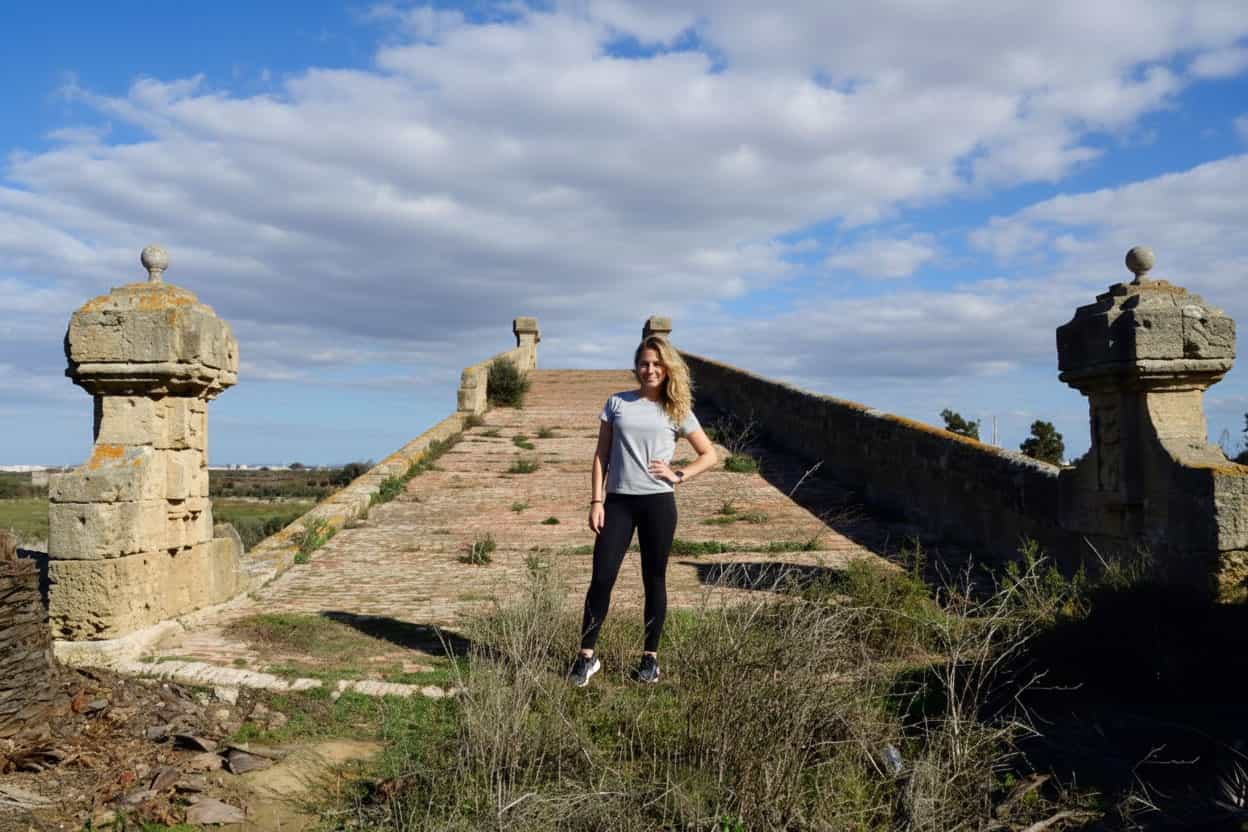
In the 18th century, naval expansion led to the construction of the Puente Marques de Urena, a viaduct of oyster stone that linked the military settlement of San Carlos with the Arsenal de la Carraca across a canal that has since disappeared.

Puente Marques de Urena, 18th-century historic viaduct in San Fernando
Puente Marques de Urena – built in the 18th century to connect San Carlos with the Arsenal de la Carraca

One standout milestone is the invention of the world’s first submarine by Isaac Peral, a key advance in Spanish naval history. Today, San Fernando combines modernity with a rich monumental heritage that reflects its evolution.

Attractions in San Fernando

San Fernando offers a compelling mix of historical and legendary sites. On the island of Sancti Petri, the Phoenicians built a temple traditionally linked to Hercules. Julius Caesar is said to have dreamt here of world conquest, and Hannibal set off from this spot to march on Rome. The Arabs destroyed the temple in search of treasure; the Christians erected the Castillo de Sancti Petri in 1717 to control shipping – it remains open to visitors.

  1. Hornos Fenicios: Phoenician and Carthaginian kilns from the 3rd century BC used for ceramics. (Map)
  2. Puente Zuazo: Roman origins, with a preserved medieval structure. (Map)
  3. Museo Historico Municipal: Archaeological finds tracing local development. (Map)
  4. Museo Naval: Models, remains and objects from the Spanish navy. (Map)

Natural Surroundings: Parque Natural Bahia de Cadiz and Walking Trails

The countryside around San Fernando stands out for its diversity within the Parque Natural Bahia de Cadiz, one of southern Europe’s most important wetland areas.
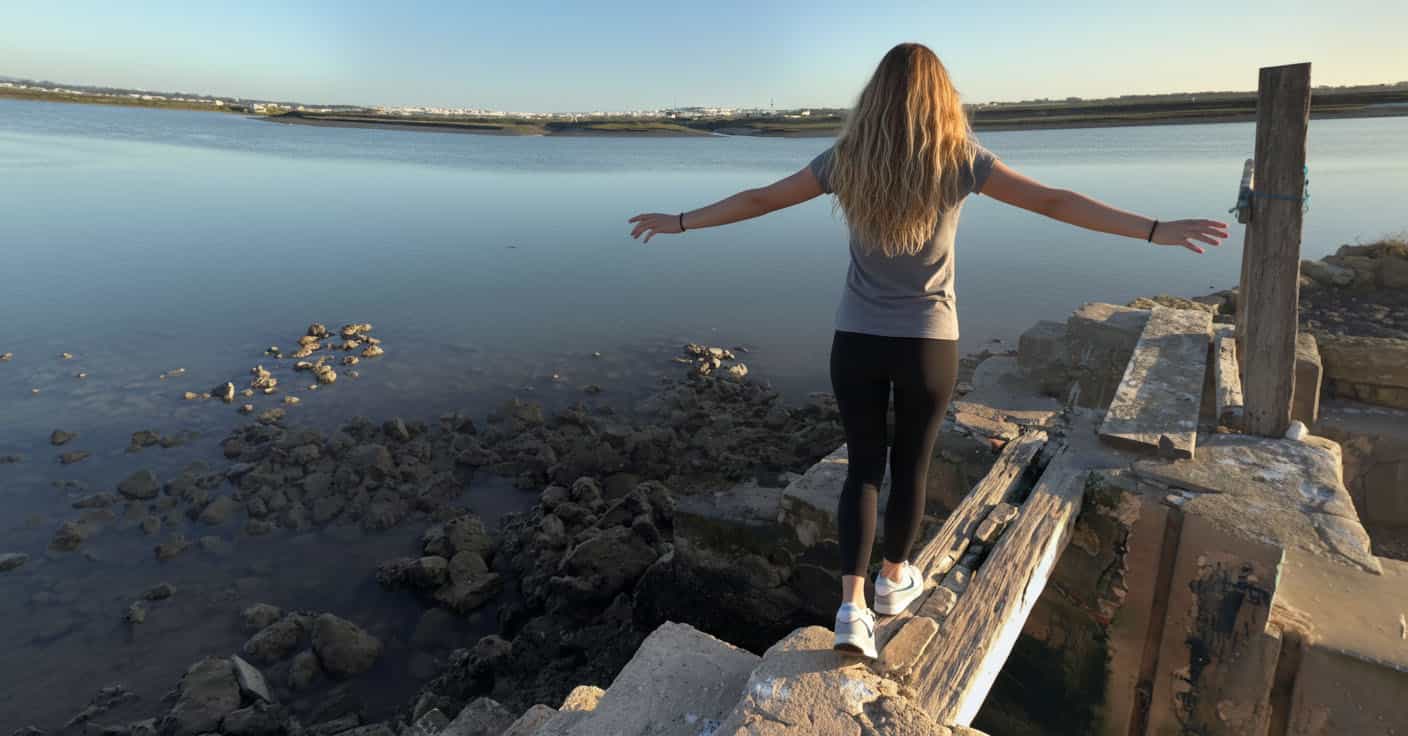
Salt marshes and landscapes in Parque Natural Bahia de Cadiz in San Fernando
Salt marshes in the Parque Natural Bahia de Cadiz – a vital habitat for birds
  • Parque Natural Bahia de Cadiz: Network of dunes, channels, salt marshes and beaches – ideal for birdwatching and walking. (Map)
  • Salt marshes (marismas): Wetlands essential for water birds and a traditional landscape feature. (Map)
  • Via Verde: Walking and cycling path on the Eurovelo 8 route to Chiclana, with views over the marshes. (Map)
  • Sendero Carrascon: Trail along a channel with abandoned salt pans – excellent for birdwatching. (Map)
  • Playa de Camposoto: Natural beach stretching nearly 3 km, with a peaceful atmosphere. (Map)
Culture, Festivals and Gastronomy

The cultural calendar varies by season and features traditional celebrations.

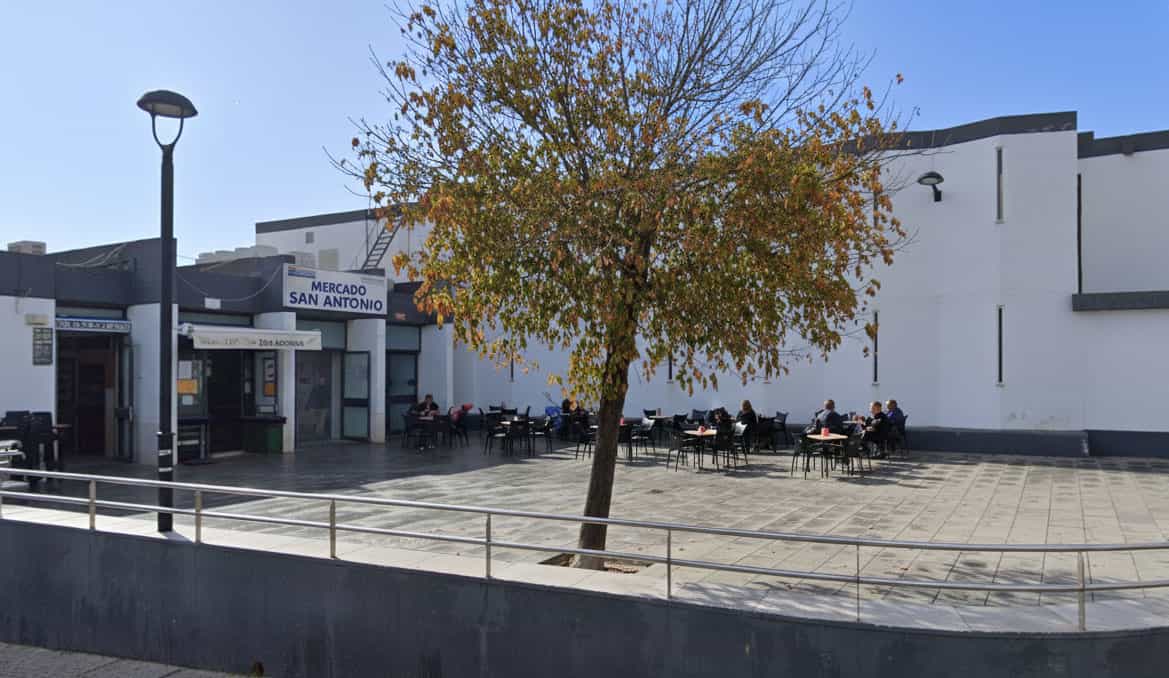
The Night of San Juan is marked in the Caseria de Ossio district with festival stalls and a lively atmosphere. Tosantos – the last Friday in October – transforms the food market into a humorous display of creatively decorated stalls.

Food market in San Fernando during Tosantos
The market during Tosantos – stalls decorated with creativity and humour

Local cuisine centres on seafood and produce from the bay: bienmesabe (marinated and fried fish), tortillitas de camarones (prawn fritters), fideos con caballa (noodles with mackerel) and dorada a la sal (salt-baked sea bream).

Travel and Getting Around San Fernando

San Fernando is approximately 220 km from Malaga-Costa del Sol Airport – the drive takes about 2.5 hours via the AP-7 and A-7. This distance allows easy combination with the Costa del Sol and the province of Cadiz.

Car hire

Car Hire: Complete Freedom

Hiring a car at Malaga Airport gives you the freedom to explore San Fernando, the Parque Natural Bahia de Cadiz and nearby towns such as Cadiz or Chiclana. Choose between coastal or inland routes and stop at beaches or viewpoints as you wish.

Book car hire at Malaga Airport
Private transfer from Malaga Airport

Taxi or Private Transfer: Comfortable Direct Route

A private transfer from Malaga Airport takes you straight to your accommodation in San Fernando without any hassle – ideal for families or anyone wanting to relax after a flight.

Book private transfer

*No credit card details are required, and no advance payment is needed. We recommend booking early to secure the best prices and availability.

Other Transport Options

Bus services link Malaga station with Cadiz, stopping in San Fernando. Within the town, distances are easily covered on foot or by local public transport, given its compact size.