Jerez de la Frontera: Sherry, Horses and Flamenco in Andalucia
Jerez de la Frontera has been one of Andalucia's most important cities for centuries. In recent decades it has gained worldwide fame, largely thanks to its renowned sherry wine, produced in the fertile vineyards surrounding the city.
Jerez Airport (XRY) handles over one million passengers each year. The international racing circuit and numerous conferences also draw visitors, yet the city has preserved its authentic charm and historic character.
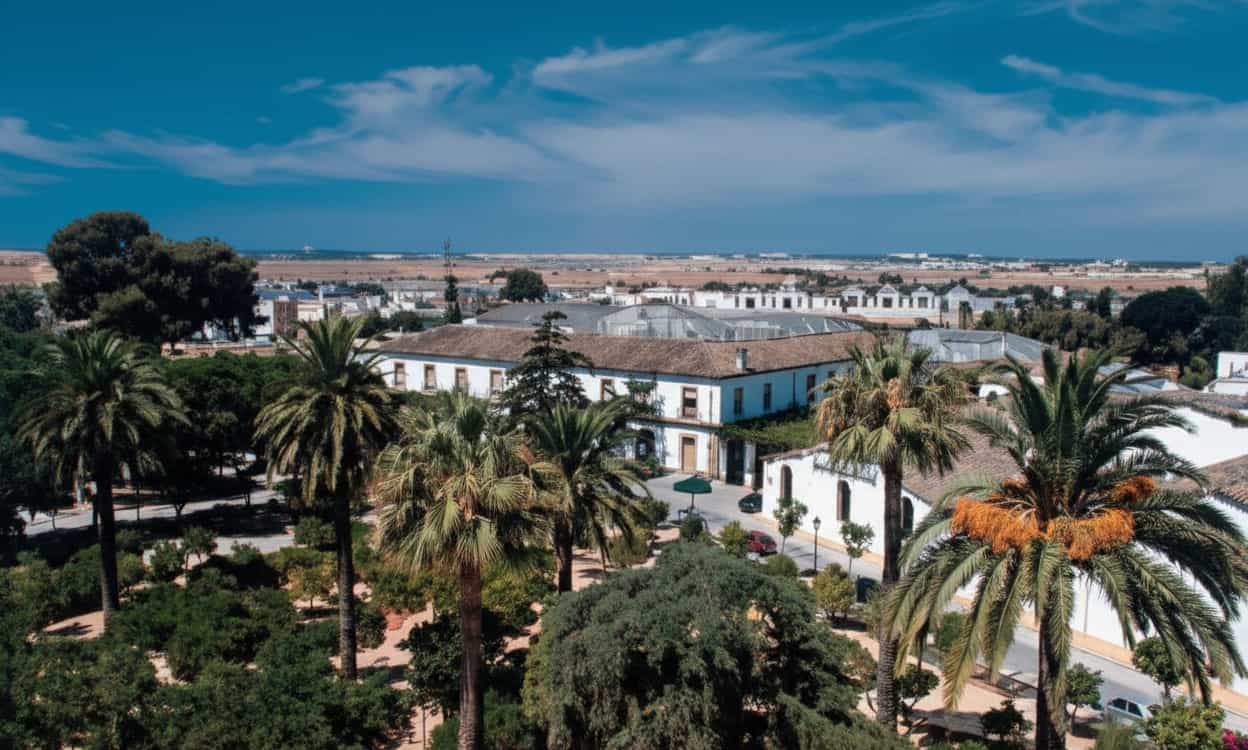
Aerial view of Jerez – heart of the sherry region
The city's artistic and cultural heritage is evident in its many monuments. Standouts include the Baroque cathedral and the Moorish Alcazaba, which has undergone extensive restoration in recent years.
History of Jerez de la Frontera
Jerez has long been a crossroads of civilisations. Phoenicians, Romans, Moors and Christians have all left their mark, creating a rich cultural legacy.
The exact origins of the settlement are uncertain, but the Tartessians or Phoenicians were likely the earliest inhabitants. From the 12th century the Moors shaped the city, building the old walls and fortified centre. After the Christian conquest in the 13th century the walls were extended and many churches constructed to replace earlier Islamic or Jewish traces.
In the 19th and 20th centuries several monasteries and religious buildings were demolished to make way for houses and squares, resulting in the loss of parts of the old walls and city gates. At the same time the bodegas (wineries) began to grow in importance: sherry gained prominence from the 19th century onwards, especially after the railway arrived in 1854, greatly improving transport to the rest of Spain.
Things to See in Jerez de la Frontera
Jerez offers something for everyone: cinemas, exhibitions, theatres, nightclubs, shops, shopping centres – and of course a wealth of historic monuments. The city is internationally known above all for its horses and sherry.
Highlights include performances at the Royal Andalusian School of Equestrian Art, motor racing at the Circuito de Jerez, and the famous Jerez Horse Fair.
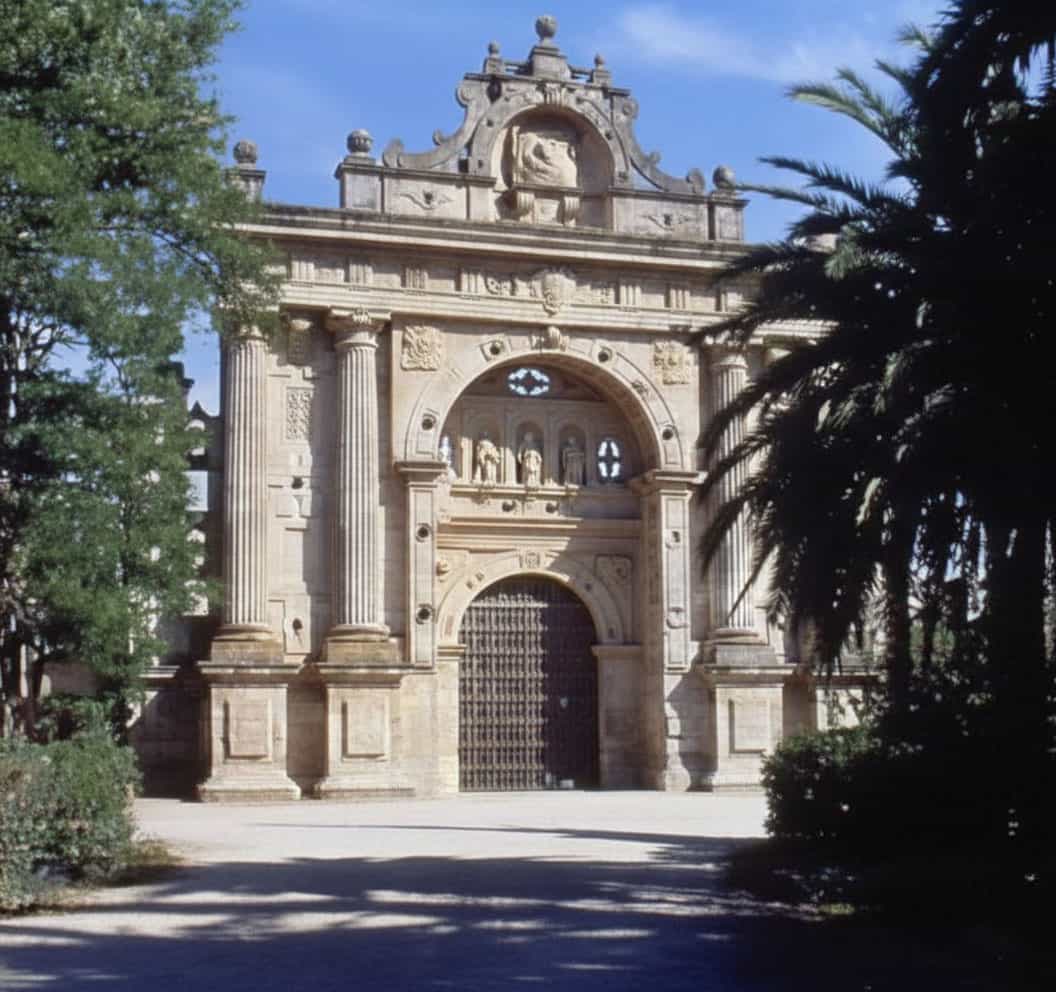
Typical monument in the historic centre
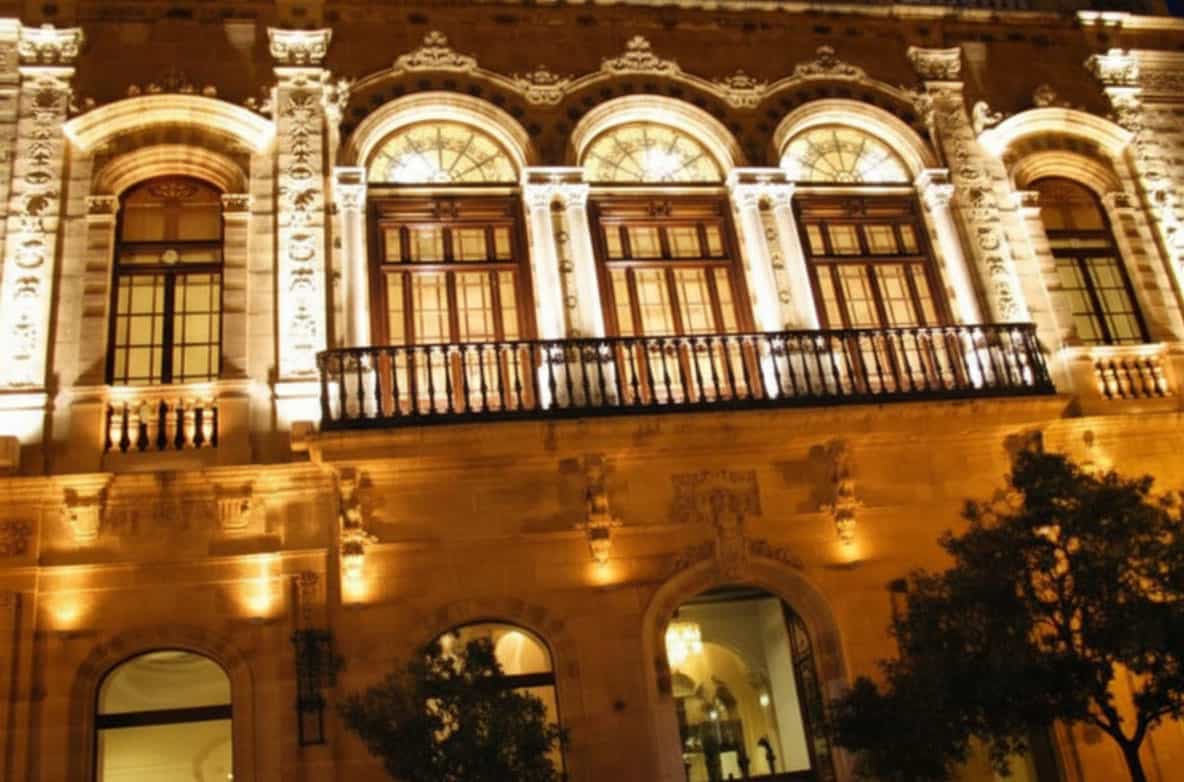
Evening atmosphere in the streets of Jerez
Palacio del Tiempo – Clock Museum in Jerez
Right in the historic heart of Jerez de la Frontera, at Calle Cervantes 3, stands the Palacio del Tiempo, popularly known as the Clock Museum. It houses one of Europe’s most important collections of antique clocks, with over 280 pieces spanning the 17th to 19th centuries.
Most of the clocks are in full working order and every hour on the hour a unique sound spectacle takes place: dozens of mechanisms activate at once, filling the space with chimes, music, moving figures and carillons. It’s a captivating blend of art, mechanics and history.
Housed in a beautiful 18th-century building, it’s perfect for anyone interested in horology, craftsmanship or simply a quiet, unusual break in central Jerez – away from the racing excitement or the bodegas.
Usual opening hours: Tuesday to Saturday 10:00–14:00 and 17:00–20:00 (check on site or official website as times may vary).
This 12th-century fortress was once the residence of the Caliph of Seville. Inside is the Moorish mosque, converted into the church of Santa Maria after the conquest by Alfonso X the Wise. View on map
Cathedral
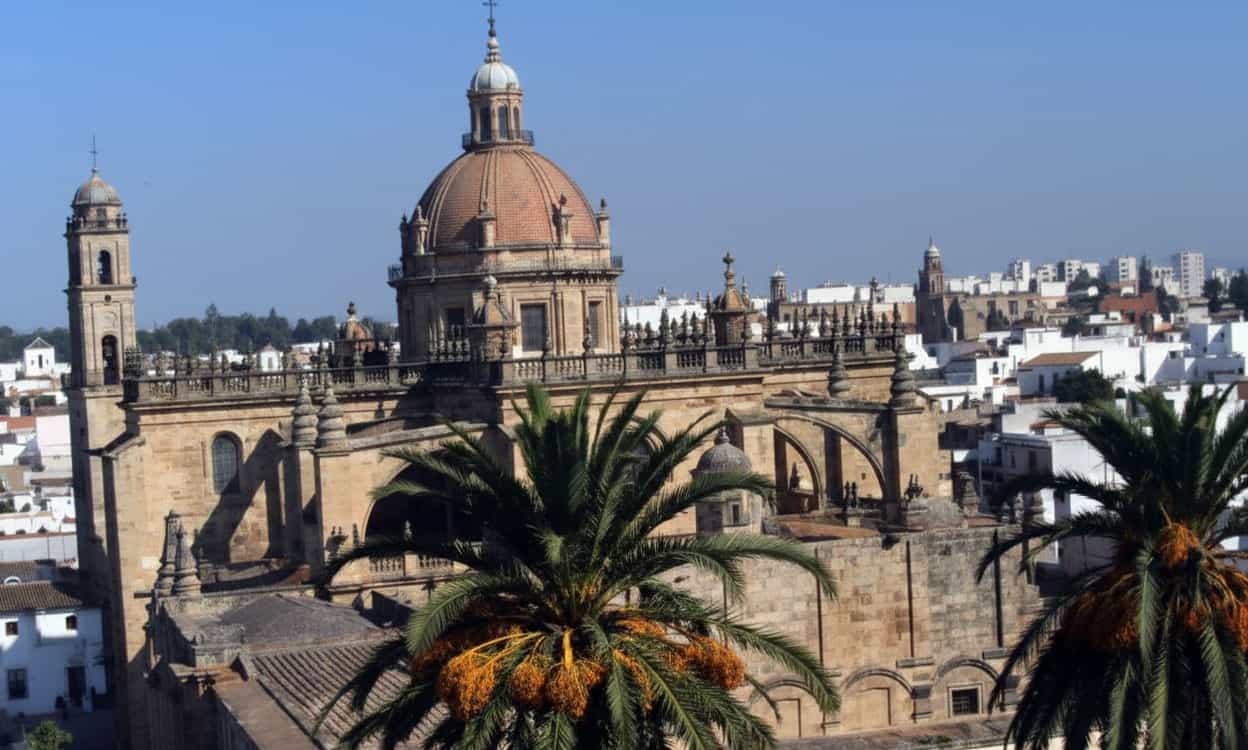
The impressive cathedral of Jerez
Built on the foundations of the main mosque. Of particular note is the 14th-century figure of Christ known as Cristo de la Viga. Zurbaran's painting La Virgen Nina is displayed in the cathedral museum. View on map
Archaeological Museum of Jerez
The Archaeological Museum of Jerez, located in the historic centre at Plaza del Mercado s/n, is one of the most important in Andalucia. Housed in the 18th-century Palacio de Villavicencio, it displays a remarkable collection spanning over 5,000 years of history in the city and its surroundings.
From prehistoric and Tartessian artefacts to Roman, Visigothic and Moorish pieces, through medieval and Renaissance times. Standouts include the Roman mosaics from the Villa de Santa Cruz (2nd–3rd century AD), the Islamic pottery collection and items from Phoenician and Tartessian necropolises.
The exhibition is arranged chronologically, making it easy to follow Jerez’s development from its origins to modern times. The building itself is a gem: its courtyards, grand staircases and viewpoint offer wonderful views over the city.
Perfect for those wanting to delve into Jerez’s deep past – before or after visiting bodegas, the racetrack or the Horse Fair. Free entry on Sundays and public holidays (usual opening hours: Tue–Sat 9:00–21:00, Sun 9:00–15:00; check official website for any changes).
The Cloister of the Convento de Santo Domingo is one of the most beautiful and peaceful spots in the historic centre of Jerez de la Frontera. Built in the 15th century during the Reconquista, it forms part of the former Dominican convent and stands out for its elegant Gothic-Mudéjar style and tranquil atmosphere.
The two-storey cloister features slender pointed arches, marble columns and capitals decorated with plant motifs and heraldry. At its centre is a landscaped courtyard with orange trees and cypresses – an ideal place for quiet reflection. Today it hosts temporary exhibitions, concerts and cultural events, keeping it very much alive.
Perfect for anyone seeking a moment of calm amid the bustle of Jerez: a historic gem where time seems to stand still. Great for a short visit before or after exploring bodegas or the old town.
Usually free entry (usual opening hours: Mon–Sat 10:00–14:00 and 17:00–20:00; Sun and public holidays check; confirm current times on the official website).
The Church of San Miguel is located in one of Jerez’s traditional gypsy quarters. Built in the Isabeline Gothic style, it features a fine altarpiece by Martínez Montañés and José de Arce. The building dates from the 16th century. View on map
Museum of Equestrian Art
Horses have played a central role in Andalucia for centuries. This museum traces the history and development of equestrian art worldwide and features an interactive system in several languages. Live horse performances are also held on site. For more on the Royal Andalusian School of Equestrian Art see our separate guide. View on map
Things to Do in Jerez de la Frontera
Jerez offers a varied programme throughout the year, from cultural events to traditional festivals.
Cultural Highlights
Throughout the year a number of events take place, including:
Semana Internacional del Jerez: Sherry Week with tastings and guided tours.
Festival de Flamenco: One of the world's most important flamenco festivals.
Christmas in Jerez: Lights, markets and traditional zambombas (Christmas carol gatherings).
Feria del Libro: Book fair with readings and workshops.
Jerez-Ángel Nieto Circuit: Heaven for Motorcycle Fans
The Circuito de Jerez-Ángel Nieto is one of the most iconic racetracks in the world. Located just 7 km from the centre of Jerez de la Frontera, it sits in stunning surroundings at the foot of the Sierra de Cadiz.
The thrill of MotoGP at the Circuito de Jerez-Ángel Nieto
At 4,428 metres long with 13 corners (5 left, 8 right) and 13 metres of elevation change, it is a demanding and rewarding circuit loved by riders and spectators alike. The nearly 600-metre main straight delivers thrilling top speeds and bold overtakes.
For any motorcycle enthusiast, attending a Grand Prix here is unforgettable: the roar of MotoGP bikes, the smell of burnt rubber, the electric atmosphere in the grandstands and the party vibe across the entire city. Tens of thousands of fans turn Jerez into one giant motorcycling celebration.
Major race weekends typically fall between March/April (Spanish MotoGP Grand Prix) and November (pre-season tests and season finale). Superbike rounds, Formula 2 and national championships also fill the calendar.
Parking and access: During major events like MotoGP, the circuit offers several parking areas. Free motorcycle parking is highly recommended and located near the main gates (such as Gate 1 or Gate 3). Paid, supervised car parks are available (up to over 6,000 spaces during GP weekends – book online in advance for a spot close to the entrance, like Parking B or C). Outside big events, access is easier and parking is readily available nearby, especially at exit 7 of the A-382.
If you’ve hired a car in Malaga and your stay coincides with the MotoGP Grand Prix, we highly recommend visiting: the freedom of timing and ease of getting there early or staying late make the experience much more enjoyable. If you don’t have a car or prefer not to drive during the event, we can also take you comfortably by private taxi from Malaga or the airport.
Horse Fair (Feria del Caballo)
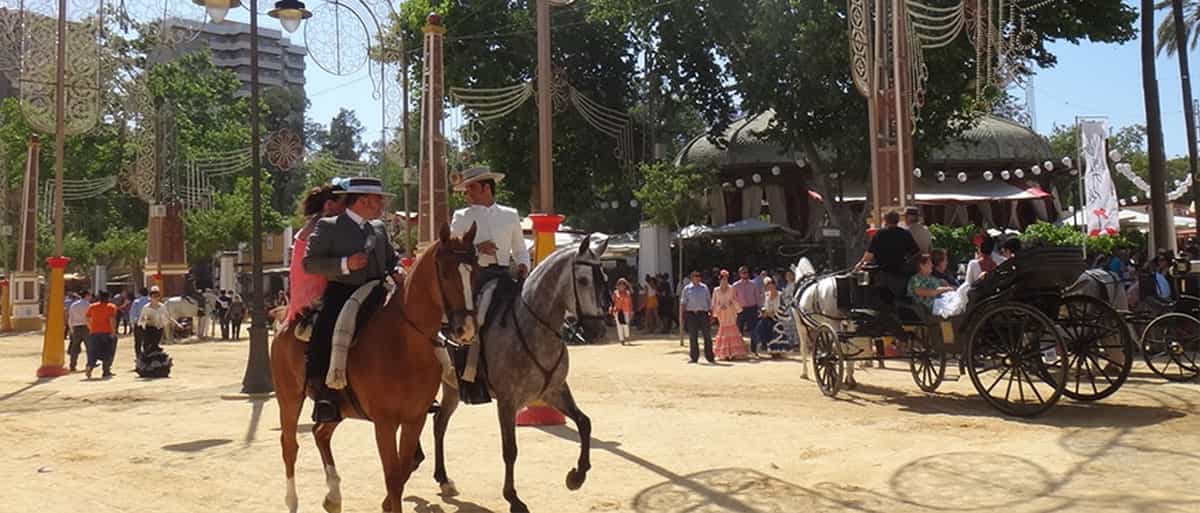
The famous Horse Fair takes place every May. This week-long celebration showcases Andalusian horsemanship, flamenco and local food. Highlights include horse parades, carriage displays, flamenco performances and dining in the casetas (fairground marquees).
Colourful horse parade at the Horse Fair
The event is held at the González Hontoria fairground, which covers 52,000 m². View on map
Getting to and Around Jerez de la Frontera
Jerez is well connected within Andalucia. Its own airport is modern, and the recently renovated train station offers links to Seville, Madrid, Cadiz and other destinations. For those arriving from Malaga Airport (AGP), the most practical options are usually a hire car or private transfer/taxi. There are no direct public transport services (bus or train) – any journey involving changes takes 4–5 hours or more.
Car Hire: Total Freedom
If you want to explore Jerez and the surrounding area at your own pace – sherry bodegas, Cadiz or nearby villages – hiring a car at Malaga Airport is the most convenient choice. The drive via the A-381 or AP-4 takes around 2 hours, giving you the flexibility to visit vineyards, the Charterhouse or the race circuit whenever you like.
For a comfortable, direct journey to your hotel or the Horse Fair without the hassle of driving or changing transport, book a private transfer from Malaga Airport. You will arrive relaxed in about 2 hours.
Frequently Asked Questions about Jerez de la Frontera
Which bodegas should I visit in Jerez?
Top recommendations include González Byass (Tío Pepe), Lustau, Bodegas Fundador and Rey Fernando de Castilla. Most offer guided tours with sherry tastings.
When is the best time to visit Jerez?
Spring (April/May) is ideal – pleasant weather and the Horse Fair. The flamenco festival usually takes place in February or March. Midsummer can be very hot.
How do you get around Jerez and the surrounding area using public transport?
City buses serve the urban area and the train station connects well to Cadiz and Seville. For bodegas or nearby villages a hire car is usually the most practical option – direct buses are limited.
Where can I experience authentic flamenco in Jerez?
Jerez is considered one of the birthplaces of flamenco. Visit peñas (flamenco clubs) in the San Miguel district or tablaos. The annual festival brings together top performers.
Is Jerez suitable for families with children?
Yes – the equestrian shows at the riding school, family-friendly bodega visits and parks make it appealing. The Horse Fair is also exciting for children.