Andalusia, a region known for its rich history and vibrant culture, is home to some of the most colourful and lively fairs in Spain. These fairs, or 'ferias', are deeply rooted in Andalusian tradition, each offering a unique blend of music, dance, and gastronomy. From the flamenco rhythms of Seville to the equestrian displays of Jerez, the fairs of Andalusia are a testament to the region's diverse cultural heritage.
The routes of the fairs in Andalucia take you on a journey through the heart of Andalusia, offering a glimpse into the local customs and traditions. Each city hosts its own fair, transforming its streets into a spectacle of colour and joy. These events, held throughout the year, attract locals and tourists alike, making them a must-see for anyone visiting the region.
Started paradoxically by a Basque and a Catalonian in 1847, the Feria de Abril of Seville, which was inspired by stock trading fairs, has decidedly encompassed the Andalusian idiosyncrasies. Celebrated on the last days of April, approximately two weeks after Easter Sunday, it preserves its characteristic country heritage with the presence of horses and carriages.
The fairgrounds, known as El Real, comprise hundreds of casetas (houses) which line the dusty streets adorned with lights and paper lanterns. Constructed with wood and canvas, they are decorated with shawls and flowers, featuring a wooden floor for dancing sevillanas and long counters for eating, drinking, and generously entertaining friends.
In the beautiful city of Jerez de la Frontera, located in Cadiz, the Feria del Caballo (Horse Fair) is hosted a few days after the Seville Fair, typically in early May. This event is a must-see for equestrian enthusiasts, showcasing some of the best horses from the region. The fair is a week-long celebration that combines horse competitions, parades, and traditional Andalusian music and dance.
As May draws to a close, the Feria de la Manzanilla begins in Sanlúcar de Barrameda, Cadiz. Usually held in the last week of May, this fair is named after 'Manzanilla', a variety of sherry wine produced in the region. The fair is a week-long celebration of local culture, featuring music, dance, and of course, plenty of Manzanilla.
These fairs offer a unique opportunity to immerse oneself in the rich culture of Cadiz and experience the region's renowned equestrian traditions and local cuisine.
May in Cordova is a month filled with festivities. The city comes alive with the celebration of Cruces de Mayo, patio garden contests, and the Cordova Fair, also known as the Feria de Mayo.
The Cruces de Mayo, or May Crosses, is a festival where beautifully decorated crosses are displayed in public squares, streets, and patios throughout the city. This event marks the beginning of a month-long celebration in Cordova.
Following the Cruces de Mayo, Cordova hosts patio garden contests. Residents open their homes to the public to showcase their beautifully decorated patios, filled with a variety of plants and flowers. These contests are a unique feature of Cordova's festivities, reflecting the city's love for nature and outdoor living.
The Feria de Mayo, or May Fair in Cordoba, is the highlight of the month. This week-long event features music, dance, and traditional Andalusian cuisine. The fairgrounds are filled with 'casetas', or marquees, where people gather to enjoy the festivities.
These events make May an exciting time to visit Cordova, offering visitors a chance to experience the city's festive spirit and community engagement.
Granada Fair, like many other popular feast days, is based on events related to a figure venerated in the town or its patron saint. A unique example of this is the Cascamorras, a tradition held on 6th September between the towns of Guadix and Baza in the province of Granada.
The two towns contest the title to the Virgin of Piety. According to legend, the figure of the Virgin was buried between the two towns during the Muslim conquest. To this day, the sculpture is venerated in the place where it was found by a mason from Guadix in 1490.
The Cascamorras is a volunteer who tries to recover the figure for Baza. Another legend states that whoever touches the Virgin without a stain can take her away. Throughout his journey, the emissary is pushed and pelted with tar, eggs, and tomatoes. Upon his return, his failure is punished with a similar treatment from the neighbours of Baza.
The Almeria Fair is a vibrant event that takes place in August, transforming the city into a hub of celebration. This week-long festival is a blend of modernity and tradition, reflecting the unique character of Almeria.
The fair has deep historical roots, with traditions that date back centuries. It's a time when the city honours its past, with events and activities that pay tribute to Almeria's rich cultural heritage.
While the Almeria Fair is steeped in tradition, it also embraces the present. The fair features a variety of modern attractions, including concerts, art exhibitions, and gastronomic events. These contemporary elements add a fresh dimension to the festivities, making the fair a dynamic and exciting experience.
The Huelva Fair, also known as the Columbian Festivals of Huelva, is a unique event that pays tribute to the region's maritime heritage. Held in August, this week-long celebration commemorates the departure of Christopher Columbus from Palos de la Frontera on his first voyage to the New World.
The fair is steeped in history, with many of its traditions dating back to the 18th century. It's a time when the city honours its seafaring past and celebrates its role in one of history's most significant voyages.
The Huelva Fair features a variety of maritime-themed events, including boat parades and sea shanty performances. The highlight of the fair is the procession of the Virgin of the Miracles, the patron saint of Palos de la Frontera, which draws crowds from across the region.
No fair would be complete without food, and the Huelva Fair is no exception. Visitors can enjoy a variety of local dishes, with seafood being a prominent feature on the menu. From fresh prawns to clams, the fair offers a culinary experience that reflects Huelva's close ties to the sea.
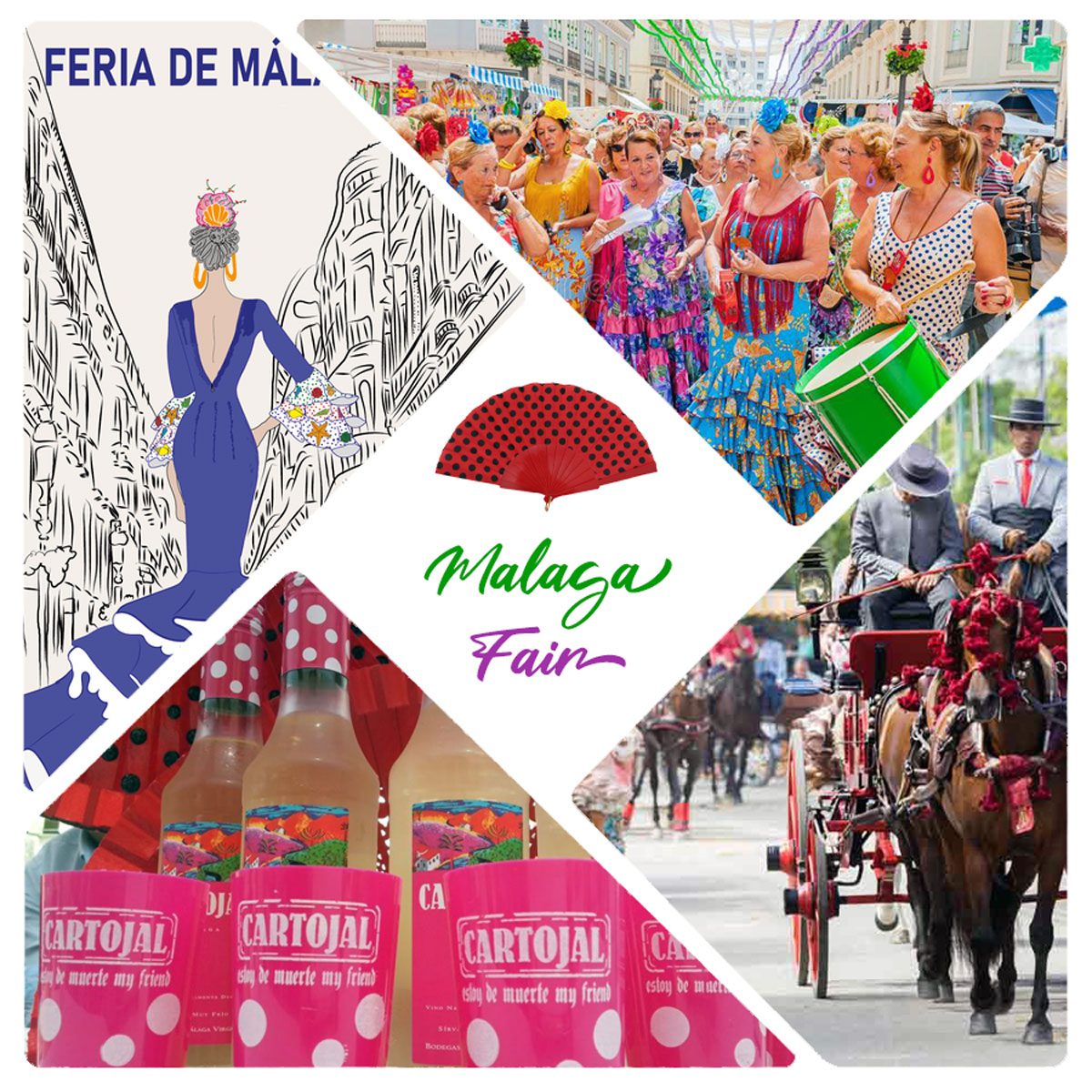
The Malaga Fair is one of the most anticipated events in the city's cultural calendar. Held annually in August, this week-long festival transforms the city into a vibrant spectacle of colour, music, and dance.
The Malaga Fair commemorates the re-conquest of the city by Isabella and Ferdinand in 1487. It's a celebration of the city's rich history and cultural heritage, with traditional Andalusian music, flamenco dancing, and bullfighting being integral parts of the festivities.
The fair is divided into two parts: the Day Fair and the Night Fair. The Day Fair takes place in the city centre with traditional dance performances, while the Night Fair, held at the fairgrounds, features musical performances and a spectacular fireworks display.
Malaga Fair is also a gastronomic delight. Visitors can indulge in traditional Andalusian cuisine, including tapas and local wines. The 'caseta', or marquee, is a popular venue where people gather to enjoy food, drink, and dance.
With its lively atmosphere and rich cultural offerings, Malaga Fair is a must-visit event for anyone wishing to experience the essence of Andalusian culture.