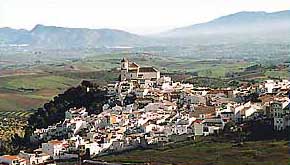
Alozaina: A Slice of Andalusian Charm in the Sierra de las Nieves
Nestled between Tolox, Yunquera, and Casarabonela, this village of Arab origin sits close to the Sierra de las Nieves. Its proximity to Jorox adds a unique natural flair, with landscapes that beckon you to explore winding trails and hidden gems.
Alozaina, a charming Andalusian village surrounded by nature
Its architecture is quintessentially Andalusian, with pristine streets lined with whitewashed houses adorned with flowers. In 1977, Alozaina was crowned Spain’s most beautiful village, a nod to its timeless appeal and seamless blend with the natural surroundings.
History of Alozaina: A Journey from Prehistory
Alozaina’s story stretches back to the Upper Palaeolithic and Bronze Age. Evidence of Iberian and Phoenician presence has also been uncovered.
Historic monument in Alozaina, a testament to its rich past
From Roman times, remnants of family settlements suggest they provided services to travellers heading to Acinipo (near Ronda) or Cartima (Malaga).
The arrival of the Arabs gave Alozaina its name, "Alhosaina," meaning "Small Castle." Their rule spurred growth through agriculture until the Christian conquest razed the village, leaving it deserted. Later, settlers from northern Spain were granted land to rebuild Alozaina.
A typical Alozaina street, reflecting its cultural heritage
In the 16th century, tensions with Christian authorities led the Moriscos (converted Muslims) to rebel across conquered territories. In Alozaina, nearly 3,000 men attacked, but a woman named Maria Sagredo, disguised as a man, led the defence until reinforcements arrived. After her father fell in battle, she took his place, defending the tower now named in her honour.
By the 19th century, Alozaina saw significant growth and gained independence on 12 April 1942.
Must-See Attractions in Alozaina
Historic monument in Alozaina, a testament to its rich past
When visiting Alozaina, don’t miss these attractions, blending history, architecture, and nature in a stunning setting:
Old Town: A maze of whitewashed, flower-decked streets capturing Andalusian spirit. (Map)
Church of Santa Ana: Built in the 16th century and refurbished in the late 18th century, a fine example of religious architecture steeped in history. (Map)
Fuente de Albar: A charming spot to pause and soak in the surroundings. (Map)
Arco de Alozaina: A modern structure symbolising the village’s past. (Map)
Parque del Torreon de Maria Sagredo: A tribute to the local heroine, perfect for a leisurely stroll. (Map)
Mozarabic Hermitage of Hoyo de los Penones: A 9th-10th century complex with a semi-rock church, hermit’s dwelling, and necropolis, showcasing the region’s Mozarabic heritage. (Map)
Jorox: A Natural Haven Near Alozaina
Jorox, a hamlet of Alozaina, is a gem in the Jorox River valley. Its highlight is the Charco de la Caldera waterfall, a travertine cascade ideal for a summer dip. The Hermitage of Veracruz and Jorox Viewpoint offer breathtaking views of the ravine and orchards, making it a perfect counterpoint to the main village for a true rural retreat.
Things to Do in Alozaina: Adventure and Culture Amid Nature
Alozaina offers a wealth of activities blending its cultural heritage with its stunning natural backdrop. From hiking trails to diving into local traditions, it’s a haven for active and curious travellers.
Hiking: Explore routes like the 9 km PR-A 272 Alozaina-Siete Fuentes with views of Sierra Prieta, or the Jorox Waterfall for a refreshing walk.
Cultural Visits: Wander the old town, admiring the Church of Santa Ana or Maria Sagredo’s tower.
Nature Exploration: Make the most of the nearby Sierra de las Nieves to spot flora and fauna on trails like Los Gavilanes or Arroyo de Pina.
Local Food: Sample regional produce at markets or village eateries.
Festivals in Alozaina: Vibrant Traditions Year-Round
Alozaina’s local festival, celebrating the patron saints Santiago and Santa Ana, takes place in late July, with parades, music, and dancing filling the streets with joy. The Olive Festival, held around mid-September, honours local agriculture with tastings, markets, and cultural events spotlighting the region’s olive oil.
Alozaina’s Natural Environment: Unforgettable Trails and Scenery
Located in the Sierra de las Nieves National Park, Alozaina boasts over 20 km of trails ripe for adventure. From pine forests to ravines, the area brims with biodiversity and sweeping views.
PR-A 272 Alozaina-Siete Fuentes Route: A 9 km trail with an 813 m elevation gain, ideal for spotting natural springs and mountain vistas.
Jorox Waterfall: An easy route to a waterfall, great for families, with natural pools for a dip.
Sierra Prieta from Jorox: A climb offering views over the Guadalhorce valley.
Alozaina - Los Gavilanes - Arroyo de Pina: A 7.6 km circular route, taking 2.5-3 hours, winding through olive groves and rivers.
Alozaina offers plenty more trails, each with its own charm to make your visit unforgettable. Get out and explore!
Getting to and Around Alozaina
Tucked in the Sierra de las Nieves, Alozaina is just 48 km from Malaga Airport, making it a breeze for international visitors to reach. Whether you’re keen to hike its trails or visit nearby villages like Yunquera or Casarabonela, here are hassle-free ways to arrive and get about, taking advantage of its proximity to the coast and Malaga city.
Car Hire: Freedom to Roam
To explore Alozaina and its surroundings at your own pace, from Sierra de las Nieves hiking trails to Jorox, hire a car at Malaga Airport. The drive via the A-357 takes 45-60 minutes, letting you stop at scenic viewpoints and enjoy the freedom to wander, perfect for nature enthusiasts and rural adventurers.
For a direct, stress-free trip to Alozaina, book a taxi from Malaga Airport. Ideal for groups or those wanting to unwind after a flight, this service gets you there in about 50 minutes, letting you take in the mountain scenery as you approach this delightful village and its natural attractions.
Besides car hire and taxis, Alozaina is served by direct buses from Malaga, operated by companies like Autocares Sierra de las Nieves, with a journey time of around 53 minutes and multiple daily departures. From the airport, you can connect via buses or trains to Malaga’s main station. Once in the village, walking or local taxis are great for short trips.