Coin: History, Nature, and Tradition in the Valle del Guadalhorce
Nestled in the heart of the Valle del Guadalhorce in Malaga province, Coin is a charming town that blends a rich history, stunning natural landscapes, and vibrant local culture. Just 30 kilometers north of Marbella, Coin offers an authentic taste of Andalusia, perfect for travelers seeking to explore beyond the coast.

Historically, Coin’s economy relied on agriculture, with citrus and vegetable crops, and marble mining. In recent years, tourism has taken center stage, drawing visitors with its historical landmarks, lively festivals, and natural beauty. From ancient archaeological sites to centuries-old traditions, Coin invites you to uncover its timeless appeal.
History of Coin: A Millennia-Old Legacy
Coin’s history stretches back to prehistoric times, with archaeological finds revealing traces of Greek, Phoenician, and Roman civilizations through tools and pottery. During the Moorish era, known as Hish Dakwan, Coin thrived due to its pristine water, lush vegetation, and ideal climate.
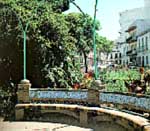
Following the Christian conquest in 1485, Coin, once part of the Kingdom of Granada, was repopulated by families from northern Spain. Notable figures like Christopher Columbus and Miguel de Cervantes left their mark here. In 1765, King Charles III granted Coin the right to hold an annual festival, a tradition still alive today. From 1,800 residents in 1733 to around 20,000 in the 20th century, Coin has grown while preserving its historical essence.
Attractions in Coin: Culture and Heritage
Coin boasts a variety of attractions that showcase its historical and cultural depth. From ancient churches to unique museums, here are the must-visit sites:
- Church and Convent of Santa Maria de la Encarnacion: Built in 1505 on the site of a former mosque, this was Coin’s first parish church. Expanded in the 18th century with a cloister and chapel, it served as an orphanage and a barracks during the War of Independence. Restored in the 1990s, it now hosts cultural events. (Map)
- Church of San Andres and Hospital de la Caridad: Constructed in 1520 next to a former mosque, these buildings feature an 18th-century cloister and facade. The hospital, founded by the Catholic Monarchs, is currently under restoration. (Map)
- Church of San Juan Bautista: Erected in 1489 on the foundations of a Moorish castle, this church blends Gothic, Mudejar, Renaissance, and Baroque styles. It houses an 18th-century marble pulpit and the revered image of the Virgen de la Fuensanta, Coin’s patron saint. (Map)
- Fuensanta Chapel: Dating back to 1529, this historic chapel, despite 18th-century renovations, sits in one of Coin’s most picturesque areas and serves as a place of worship and community gathering. (Map)
- San Fernando Cemetery: Opened in 1888, this cemetery is not only a final resting place but also a testament to Coin’s history, with unique architecture and a serene atmosphere. (Map)
- Las Vistillas Museum: This ethnographic museum, set on the southern slopes of the Valle del Guadalhorce, offers a glimpse into 20th-century rural life. It features pottery workshops and a traditional garden with local flora and fauna. (Map)
Nature in Coin: A Paradise in the Valle del Guadalhorce
Surrounded by breathtaking landscapes, Coin is a haven for nature lovers. The Valle del Guadalhorce offers everything from river canyons to lush forests, perfect for unwinding and exploring.

A standout is Barranco Blanco, a river canyon with crystal-clear waters and vibrant greenery, ideal for hiking and photography. (Map) Similarly, Los Llanos del Nacimiento is a pine forest offering tranquility and opportunities for wildlife spotting. (Map)
Other natural gems like Albuqueria, Sierra Negra, Alpujata, and Sierra Gorda provide unique trails with panoramic views of the Valle del Guadalhorce, making Coin a must for outdoor enthusiasts.
Festivals in Coin: Tradition and Celebration
Coin shines with its lively festivals, reflecting its deep-rooted traditions and community spirit. The May Festival, or Spring Festival, held from late April to May 3, welcomes the season with music, dance, and the Day of the Cross, when streets are adorned with flowers. The Patron Saint Festival, from August 10 to 15, honors the Virgen de la Fuensanta with concerts, dances, and an agricultural competition, a tradition dating back to the 18th century. (Map of the festival grounds)

Other celebrations, including New Year’s Eve, Carnival, Holy Week, and the Romeria de la Fuensanta, add color to Coin’s calendar, offering unforgettable experiences for visitors.
Gastronomy in Coin: Flavors of the Valle
Coin’s cuisine reflects its agricultural roots and cultural heritage, using fresh produce from the Valle del Guadalhorce. Signature dishes include sopas cachorrenas, a hearty soup made with bread, garlic, olive oil, and bitter oranges, and puchero, a comforting stew perfect for cooler months. Other local favorites are gazpachuelo, sopa poncima (pepper and tomato soup), mojete, tagarnina tortilla, and matamario.
In summer, a refreshing gazpacho is a must, while desserts like baked sweet potatoes, gachas with syrup, rosquillas, raisins in brandy, or fig bread provide a sweet finish. Coin’s food scene is a delicious reflection of its traditions and fertile lands.
Getting to Coin: Your Transport Options
Located in the Valle del Guadalhorce, Coin is about 35 kilometers from Malaga Airport and easily accessible. With no direct public transport from the airport, car hire or taxis are the most convenient ways to reach Coin and explore its surroundings.

Car Hire: Explore at Your Own Pace
Hiring a car at Malaga Airport gives you the freedom to explore Coin and the Valle del Guadalhorce. A 40-minute drive via the A-357, passing Alhaurin de la Torre and Cartama, takes you to Coin. With a car, you can easily visit natural sites like Barranco Blanco or nearby towns like Alhaurin el Grande.
Car hire Malaga airport
Taxi: Hassle-Free Travel
A taxi from Malaga Airport gets you to Coin in about 40 minutes, perfect for a stress-free arrival or enjoying the town’s festivals without worrying about parking. It’s ideal for late-night arrivals or relaxed sightseeing.
Book a TaxiOther Transport Options
For public transport, Coin is connected by buses to Malaga and nearby towns like Fuengirola, Marbella, Alhaurin el Grande, and Cartama. Lines like M-221 (Fuengirola-Coin) or M-232 (Coin-Malaga) are reliable options. However, from Malaga Airport, you’ll need to take a bus or train to Malaga’s main station and transfer to Coin. (More about buses)
Tourist Information for Coin
Town Hall: Plaza Bermudez de la Rubia s/n, 29100 Coin, Malaga
Phone: 952 45 32 11
Official Website: coin.es
Frequently Asked Questions about Coin
What outdoor activities are available in Coin?
Beyond hiking in Barranco Blanco and Los Llanos del Nacimiento, Coin offers cycling routes through the Valle del Guadalhorce, birdwatching in Sierra Gorda, or photography walks in Albuqueria. The natural areas are perfect for both relaxing and adventurous pursuits.
Is Coin suitable for families with children?
Yes, Coin is great for families. The May Festival includes kid-friendly rides, and Las Vistillas Museum offers interactive pottery workshops. Natural areas like Los Llanos del Nacimiento are safe for family outings.
Where can I buy local products in Coin?
Coin’s municipal market is ideal for fresh produce like citrus fruits, vegetables, and olive oil. Local shops in the town center sell handmade pottery and traditional sweets like fig bread.
What nearby towns are worth visiting from Coin?
From Coin, explore Alhaurin el Grande for its rural charm or Cartama for its historic castle. Ojen, a picturesque white village with stunning views, is also perfect for a day trip.